
Sewage Cleanup & Backup in
Fort Worth, TX
Safe and sanitary removal of hazardous sewage backups. Available 24/7 for residential and commercial properties.
Comprehensive Sewage Cleanup & Backup
Sewage backups are a serious health hazard (Category 3 water). We have the protective gear and training to safely remove sewage, sanitize affected areas, and ensure your home is safe to inhabit.
A sewage backup is every homeowner's nightmare, and it's more common in the Fort Worth area than most people realize. When sewage erupts from a toilet, floor drain, or bathtub, you're not dealing with ordinary water—you're facing Category 3 black water contaminated with human waste, bacteria, viruses, parasites, and toxic chemicals. This isn't a DIY cleanup job. Exposure to sewage can cause serious illness, including hepatitis, gastroenteritis, and severe respiratory infections. This is a biohazard situation that requires professional-grade protective equipment, EPA-registered antimicrobials, and strict containment protocols.
Sewage backups in Fort Worth happen for several reasons, many of them rooted in the age and design of our municipal sewer infrastructure. Older neighborhoods like Riverside, Polytechnic Heights, and Mistletoe Heights still have clay sewer lines installed in the 1950s and 60s. These pipes crack over time due to ground shifting from our expansive clay soil, allowing tree roots to infiltrate and create blockages. When a severe thunderstorm dumps several inches of rain in an hour—a common occurrence during North Texas spring and summer storm seasons—the municipal sewer system can become overwhelmed, causing sewage to back up into homes through floor drains and toilets.
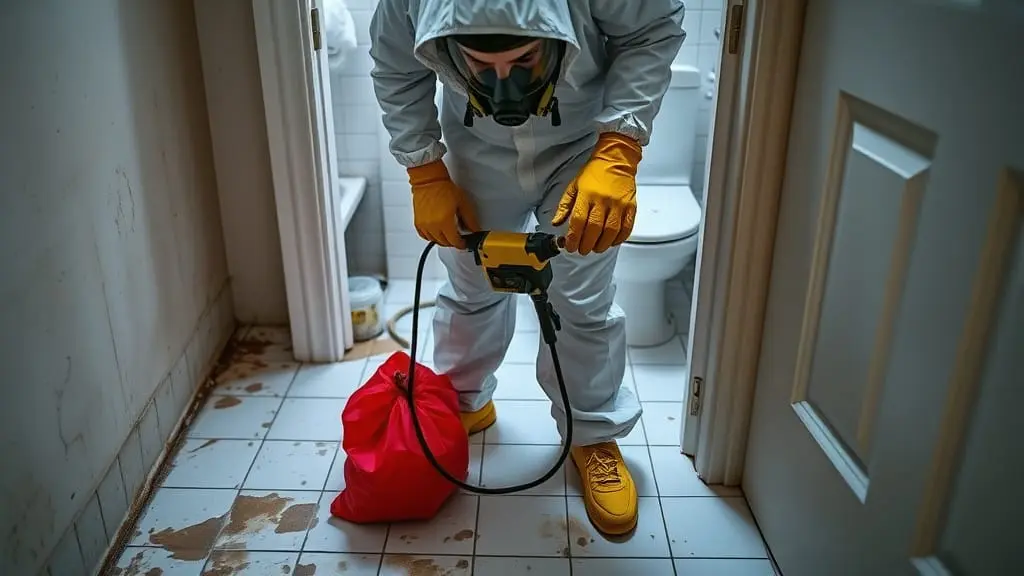
Our sewage cleanup protocol begins with safety and containment. Our technicians arrive in full Tyvek suits, respirators, nitrile gloves, and rubber boots. We establish a containment barrier using plastic sheeting and negative air pressure to prevent contaminated air from spreading to clean areas of your home. Sewage is not simply vacuumed up—it's treated as a biohazard and extracted using dedicated equipment that will be decontaminated afterward. We never use the same extractors for sewage that we use for clean water jobs, preventing cross-contamination.
Once extraction is complete, all porous materials that contacted sewage must be removed and disposed of as biohazard waste. This includes carpet, pad, baseboards, drywall up to 12 inches above the contamination line, and any insulation. The IICRC is unambiguous on this point: you cannot adequately sanitize porous materials exposed to Category 3 water. Attempting to save a carpet pad that absorbed sewage is a health hazard and a mold liability. Hard surfaces like tile, concrete, studs, and fixtures are scrubbed with detergent, rinsed, and treated with EPA-registered antimicrobial disinfectants that kill 99.9% of bacteria, viruses, and pathogens.
Odor removal after sewage cleanup is a multi-step process. Sewage odors don't just sit on surfaces—they penetrate porous materials and linger in the air. We use hydroxyl generators and, in severe cases, ozone treatment to neutralize odor molecules at the source. These aren't air fresheners that mask smells; they're oxidizing agents that chemically break down the organic compounds causing the odor. The goal is to restore your home to a condition where you cannot tell a sewage event ever occurred.
What many homeowners don't realize is that sewage backups often indicate a larger problem with your sewer lateral—the pipe that connects your home to the municipal sewer main in the street. In Fort Worth, homeowners are responsible for maintaining this lateral, even though it runs under the street. If tree roots have invaded your line, or if the pipe has collapsed due to ground shifting, the backup will happen again. We work with licensed plumbers who can camera-scope your sewer line to identify the root cause and provide solutions, whether that's hydro-jetting to clear roots or full sewer line replacement.
Insurance coverage for sewage backups varies by policy. Standard homeowners insurance often excludes sewer backups unless you've purchased a specific sewer backup endorsement, which costs around $50-$100 per year and provides up to $10,000 in coverage. We document every phase of the cleanup with photos, moisture readings, and detailed Xactimate estimates so you have the evidence needed to file a successful claim if you have coverage.
Common Causes in Fort Worth
- Tree root infiltration into clay sewer lines (older Fort Worth neighborhoods)
- Municipal sewer system overload during heavy rain
- Collapsed or broken sewer laterals from ground shifting
- Main sewer line clogs from flushed non-flushables (wipes, hygiene products)
- Lack of backflow preventer allowing reverse flow during floods
- Aging cast iron or clay pipes reaching end of service life
Our Restoration Process
Assessment & Inspection
We identify the source of water and map the moisture spread.
Water Extraction
Removing standing water immediately to prevent secondary damage.
Drying & Dehumidification
Industrial equipment dries deep into walls and floors.
Cleaning & Sanitizing
We use antimicrobial treatments to ensure safety.
Frequently Asked Questions
Is sewage backup covered by my homeowners insurance in Fort Worth?
It depends on your policy. Standard homeowners insurance often excludes sewer backups unless you've purchased a sewer backup endorsement, which typically costs $50-$100 per year and provides coverage up to $10,000 or more. Review your policy or call your agent to confirm. We work with all major carriers and can help you navigate your coverage.
Can I clean up a small sewage backup myself?
We strongly advise against it. Sewage contains dangerous pathogens including E. coli, salmonella, hepatitis A, and parasites that can cause serious illness. Professional cleanup requires full PPE (respirators, suits, gloves), EPA-registered disinfectants, proper disposal of contaminated materials, and HEPA-filtered air scrubbing to prevent airborne contamination. The health risk is not worth attempting DIY cleanup.
Why does sewage back up into my house during heavy rain in Fort Worth?
Heavy rain can overwhelm Fort Worth\'s municipal sewer system, especially in older neighborhoods with combined storm and sanitary sewers. When the system reaches capacity, sewage has nowhere to go and backs up into homes through floor drains and toilets. Additionally, tree roots infiltrating cracked sewer laterals can restrict flow, exacerbating backups during high-demand periods. Installing a backflow preventer can prevent this.
How do you remove the smell after sewage cleanup?
We use a multi-step odor removal process. First, we remove all contaminated porous materials (carpet, pad, drywall, baseboards) that have absorbed sewage. Then we clean and disinfect all hard surfaces. Finally, we use hydroxyl generators or ozone treatment to oxidize and neutralize odor molecules at the chemical level. This isn\'t masking—it\'s true elimination. Your home will smell clean because it is clean.
Sewage Cleanup & Backup Near You
We serve the entire Fort Worth metro area. Click your city for local pricing, response times, and area-specific information.
Get Priority Response
Step 1 of 3Service Details
- Dedicated sewage extraction pumps
- Negative air machines with HEPA filtration
- EPA-registered antimicrobial foggers
- Hydroxyl generators and ozone machines for odor removal
Why Choose Us?
- Locally Owned & Operated
- Direct Insurance Billing
- 5-Star Google Rated