
Flood Damage Cleanup in
Fort Worth, TX
Rapid response for storm-related flooding and natural disasters. Available 24/7 for residential and commercial properties.
Comprehensive Flood Damage Cleanup
Flood waters can bring contaminants and severe structural damage. Our team is equipped to handle black water extraction, sanitization, and drying of flood-damaged properties in the Fort Worth area.
Flood damage in the Fort Worth area is a beast of a different nature than standard water damage. When the Trinity River overflows its banks, when flash flooding from intense North Texas thunderstorms overwhelms storm drains, or when rapid snowmelt from a rare winter freeze combines with spring rains, the water that enters your property isn't clean. It's Category 3 black water—contaminated with sewage, chemicals, pesticides, and biological hazards that make every surface it touches unsafe until properly treated.
Fort Worth sits at the convergence of the West Fork and Clear Fork of the Trinity River, and while the river levees protect much of downtown, neighborhoods near Riverside, River Oaks, and areas adjacent to Benbrook Lake face recurring flood risks during severe weather events. The May 2015 floods that devastated parts of North Texas demonstrated just how quickly rising water can turn basements into swimming pools and first floors into uninhabitable disaster zones. Homes built in the 1960s and 70s in flood-prone areas often lack modern backflow preventers, meaning sewer lines can reverse and push raw sewage into your home during a flood event.
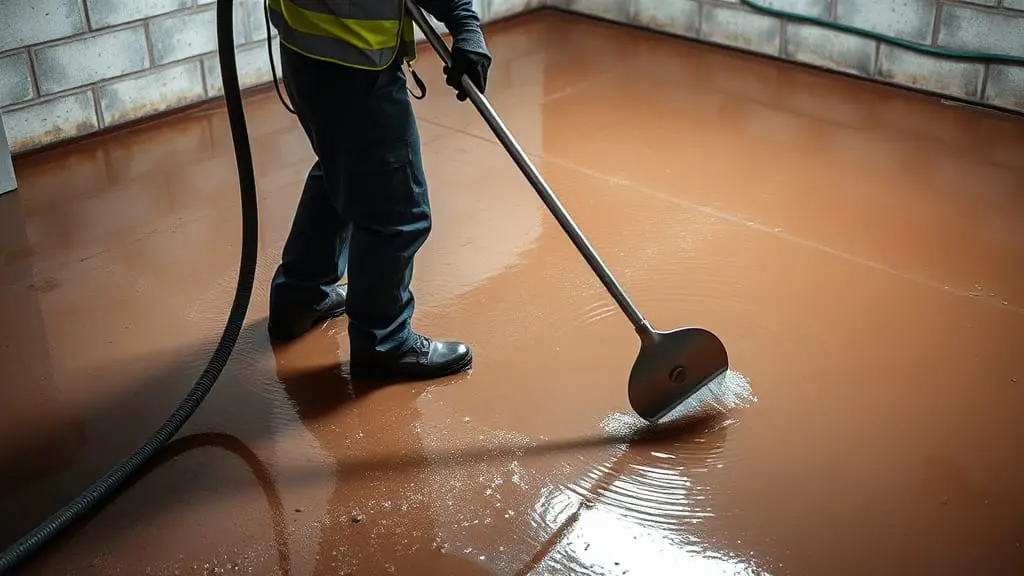
Our flood damage cleanup protocol begins with safety assessment. We test for electrical hazards, structural instability, and airborne contaminants before our crews enter the property. Floodwater carries bacteria like E. coli, viruses, and parasites that pose serious health risks, so our technicians wear full PPE including respirators, gloves, and protective suits. We extract standing water using submersible pumps rated for solids-laden water, as flood debris can clog standard equipment.
Once extraction is complete, we remove and dispose of all porous materials that contacted floodwater—carpet, pad, baseboards, drywall up to at least 12 inches above the waterline, and insulation. The IICRC is clear: porous materials exposed to Category 3 water cannot be adequately sanitized and must be removed to prevent long-term contamination. Non-porous surfaces like tile, concrete, and studs are wire-brushed, HEPA-vacuumed, and treated with EPA-registered antimicrobial agents that kill bacteria, viruses, and mold spores on contact.
Structural drying after a flood is more aggressive than standard water damage drying because the goal isn't just removing moisture—it's lowering the microbial load to safe levels. We use negative air machines with HEPA filtration to create controlled airflow that prevents cross-contamination to unaffected areas of your home. Our dehumidifiers run continuously, and we monitor not just moisture levels but also temperature and relative humidity to ensure the environment doesn't support microbial growth during the drying process.
What many Fort Worth homeowners don't realize is that standard homeowners insurance does not cover flood damage. If you're in a FEMA-designated flood zone near Eagle Mountain Lake, Lake Worth, or along the Trinity River corridor, you need a separate National Flood Insurance Program (NFIP) policy or private flood coverage. We work with NFIP adjusters regularly and understand the specific documentation requirements for flood claims, including the need for detailed photo evidence of high-water marks and contaminated materials before disposal.
Common Causes in Fort Worth
- Trinity River overflow during severe storm events
- Flash flooding from intense North Texas thunderstorms overwhelming drainage
- Sewer backups during heavy rain (homes without backflow preventers)
- Rapid snowmelt combined with spring rains
- Creek and tributary overflow (Village Creek, Big Fossil Creek, Marine Creek)
- Levee or dam failures
Our Restoration Process
Assessment & Inspection
We identify the source of water and map the moisture spread.
Water Extraction
Removing standing water immediately to prevent secondary damage.
Drying & Dehumidification
Industrial equipment dries deep into walls and floors.
Cleaning & Sanitizing
We use antimicrobial treatments to ensure safety.
Frequently Asked Questions
Does homeowners insurance cover flood damage in Fort Worth?
No, standard homeowners insurance policies explicitly exclude flood damage caused by rising water from external sources. You need a separate National Flood Insurance Program (NFIP) policy or private flood insurance. However, if water enters through a wind-damaged roof during a storm, that may be covered under your homeowners policy as wind-driven rain. We help determine coverage and work with both NFIP and private carriers.
Is floodwater dangerous even after it recedes?
Absolutely. Floodwater is classified as Category 3 black water, meaning it contains sewage, chemicals, pesticides, and harmful bacteria. Every surface that contacted floodwater is contaminated and must be properly cleaned or removed. Simply drying out the space is not enough—professional sanitization with EPA-registered antimicrobials is essential to make your home safe.
How much of my home needs to be removed after a flood?
All porous materials that contacted floodwater must be removed, including carpet, pad, drywall (typically 12-24 inches above the waterline), baseboards, and insulation. Hard surfaces like tile, concrete, framing studs, and cabinets can often be cleaned and sanitized. Our team assesses each material individually and provides detailed documentation of what can be saved versus what must be replaced.
Are there flood-prone areas in Fort Worth I should know about?
Yes. Areas near the Trinity River (Riverside, River Oaks), neighborhoods adjacent to Benbrook Lake, Lake Worth, and Eagle Mountain Lake, and low-lying areas along Village Creek, Big Fossil Creek, and Marine Creek are at higher flood risk. FEMA flood maps designate these zones, and mortgage lenders require flood insurance for properties in high-risk areas. Check your property's flood zone status at FEMA's Flood Map Service Center.
Flood Damage Cleanup Near You
We serve the entire Fort Worth metro area. Click your city for local pricing, response times, and area-specific information.
Get Priority Response
Step 1 of 3Service Details
- Submersible trash pumps (handles debris-laden water)
- Negative air machines with HEPA filtration
- Commercial LGR dehumidifiers
- Antimicrobial foggers and sprayers
Why Choose Us?
- Locally Owned & Operated
- Direct Insurance Billing
- 5-Star Google Rated