
Water Damage Restoration in
North Richland Hills, TX
Dedicated water damage teams for NRH residents and businesses.
Local Experts You Can Trust
North Richland Hills, known locally as NRH, sits at the heart of the Mid-Cities region between Dallas and Fort Worth, where the award-winning HomeTown development — a 330-acre traditional neighborhood that took 25 years to complete — serves as the walkable town center this community of 70,000-plus residents has embraced. Zip codes 76180 and 76182 cover the bulk of NRH's residential areas, from the long-established neighborhoods near Rufe Snow Drive to newer developments pushing toward Keller along Mid-Cities Boulevard. But beneath NRH's modern amenities and family-friendly parks like NRH2O Family Water Park and the Iron Horse Golf Course, the same expansive clay soil that plagues the entire DFW Metroplex creates constant foundation movement, stressing plumbing connections in homes built from the city's 1953 incorporation through today's new construction in neighborhoods like HomeTown NRH West and Precinct Line Commons.
NRH's location along seven major tributaries — including Big Fossil Creek, Singing Hills Creek, Mackey Creek, Walker Branch, and Mesquite Branch — creates significant flood risk during North Texas severe weather events. The historic September 1962 flood on Big Fossil Creek was the greatest in the area since at least 1900, demonstrating the devastating potential when intense rainfall overwhelms these creek systems. Properties within the 1% Annual Chance Floodplain along these corridors require special permits before improvements, and flash floods can develop in under 30 minutes with no visible rainfall at the affected location. When upstream thunderstorms dump several inches of rain, NRH creek channels surge rapidly. Our flood damage cleanup teams respond 24/7 with trailer-mounted submersible pumps, HEPA-filtered air scrubbers, and EPA-registered antimicrobials to safely remediate Category 3 black water contamination — the most serious classification of floodwater that contains sewage, chemicals, and biological hazards.
Most NRH properties were built between 1960 and today, with housing stock from the original Jones Farm Area subdivided in 1952 representing some of the oldest homes in the city. These mid-century homes often feature original galvanized iron plumbing that has corroded from the inside out after 60-plus years of service, narrowing interior pipe diameter from three-quarters of an inch to less than a quarter-inch before eventually pinholing or rupturing completely. Newer developments in Glenview Drive corridors and the Davis Boulevard commercial and residential build-out use PEX and CPVC pipe that can fail at compression fittings and glued joints during foundation settlement. The expansive clay soil beneath NRH can swell up to 75% of its original volume when saturated, creating upward pressure exceeding 15,000 pounds per square foot on slab foundations. This movement causes pipe joints to separate, water heaters to shift off their connections, and underground supply lines to crack. Our water damage restoration process includes foundation moisture mapping to identify settlement patterns that may have caused the initial plumbing failure, preventing repeat incidents.
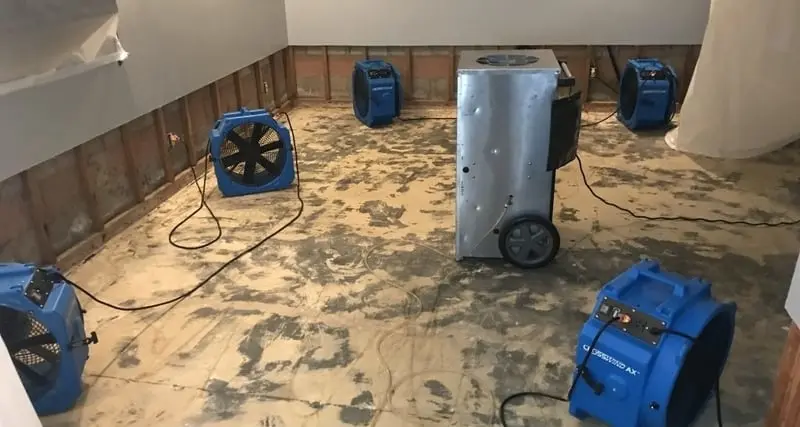
Winter freeze events in NRH create disproportionate damage in certain housing types. Homes in the Smithfield area and around Richland Hills often feature single-story construction with attic plumbing runs that lacked adequate insulation when built in the 1970s and 80s. During Winter Storm Uri in February 2021, NRH experienced record-breaking cold with temperatures near zero degrees Fahrenheit, causing widespread pipe failures across the city. Attic water heater supply lines, exposed copper in unheated garages, and hose bibs on exterior walls burst within hours of sustained below-freezing temperatures, flooding homes from the ceiling down. Our burst pipe cleanup crews deploy truck-mounted extraction units capable of removing several thousand gallons per hour, combined with desiccant dehumidifiers sized for North Texas's humid subtropical climate to achieve complete structural drying.
Sewage backup risk is elevated in NRH's older residential corridors because of aging clay sewer laterals that have developed cracks and root infiltration over several decades. The mature trees that give neighborhoods near Hightower Drive and Boulevard 26 their established character send root systems extending 50 feet or more in every direction, gravitating toward any moisture source — including cracked sewer pipes. Tree root infiltration causes progressive blockage, slowed drainage, and eventually complete sewer backup during heavy rain when the municipal collection system is already operating near capacity. Sewage overflow into a home requires Category 3 black water protocols: full protective equipment, containment, antimicrobial treatment of all affected surfaces, and structural drying to safe moisture levels before any reconstruction. Our sewage cleanup team operates 24 hours a day to contain and remediate these hazardous conditions in NRH homes.
The severe thunderstorm and hail risk for North Richland Hills mirrors what affects the entire DFW Metroplex. NRH's position in Hail Alley means properties sustain roof damage from large hail multiple times per decade on average, with storms capable of producing baseball-sized hail documented in Tarrant County. Architectural shingles compromised by hail create entry points for the same storm's rainfall, saturating attic insulation and cascading into living spaces. Neighborhoods near NRH2O Family Water Park and along Rufe Snow Drive have experienced this hail-then-interior-water pattern repeatedly, requiring both roofing repair coordination and interior water damage remediation simultaneously. Our storm damage restoration service coordinates emergency tarping with interior extraction so you're not waiting on one trade before the other can begin.
Appliance and fixture failures are a significant contributor to water damage calls in NRH, particularly as the housing stock built during the 1990s and 2000s ages past the two-decade mark. Water heaters installed in homes built near Precinct Line Road and in the HomeTown development during that era are now reaching the end of their 15-year average service life simultaneously. A standard 40 or 50-gallon tank water heater that fails catastrophically at the base can release its full volume before a homeowner discovers the problem — enough water to saturate an entire utility room, adjacent hallway flooring, and any rooms sharing a wall with the mechanical space. Dishwasher drain hose failures and refrigerator water line failures are similarly common in homes of this age range throughout NRH. Because water damage from appliance failures follows the same progression timeline as burst pipe or storm damage, our response protocols and urgency are identical regardless of source.
From the established neighborhoods surrounding Smithfield Road to modern developments near Davis Boulevard, we provide rapid emergency water extraction with truck-mounted units capable of removing thousands of gallons per hour. We handle all insurance claims documentation, working directly with adjusters from State Farm, Allstate, USAA, and all major carriers serving North Richland Hills. Our IICRC-certified technicians understand the specific challenges of NRH's clay soil, creek flooding geography, and aging housing stock, ensuring your property is thoroughly dried to scientifically verified safe moisture levels before any reconstruction begins.
Neighborhoods We Serve in North Richland Hills
Common Water Damage Risks in North Richland Hills
- Flash flooding from Big Fossil Creek and tributary overflow
- Foundation movement from expansive clay soil (up to 75% volume change)
- Corroded galvanized plumbing in pre-1980s homes
- PEX and CPVC fitting failures during foundation settlement
- Severe thunderstorms with high winds and hail
- Sewer backups during heavy rain events
Local Conditions
Recent Restoration Work in North Richland Hills
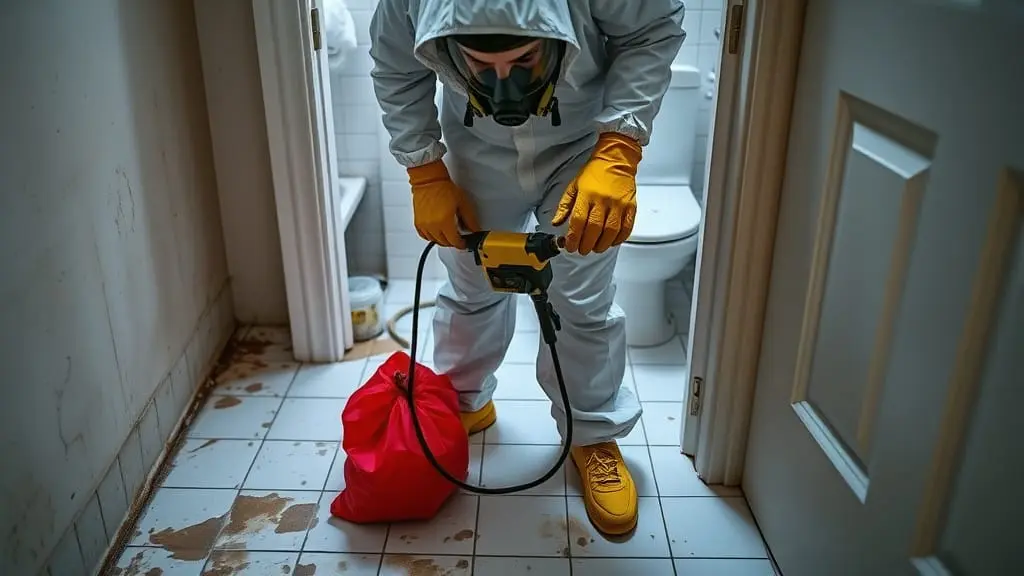
Garage Mold Removal
Hidden leak behind a water heater caused black mold. Containment area set up, mold remediation performed, and drywall replaced.