
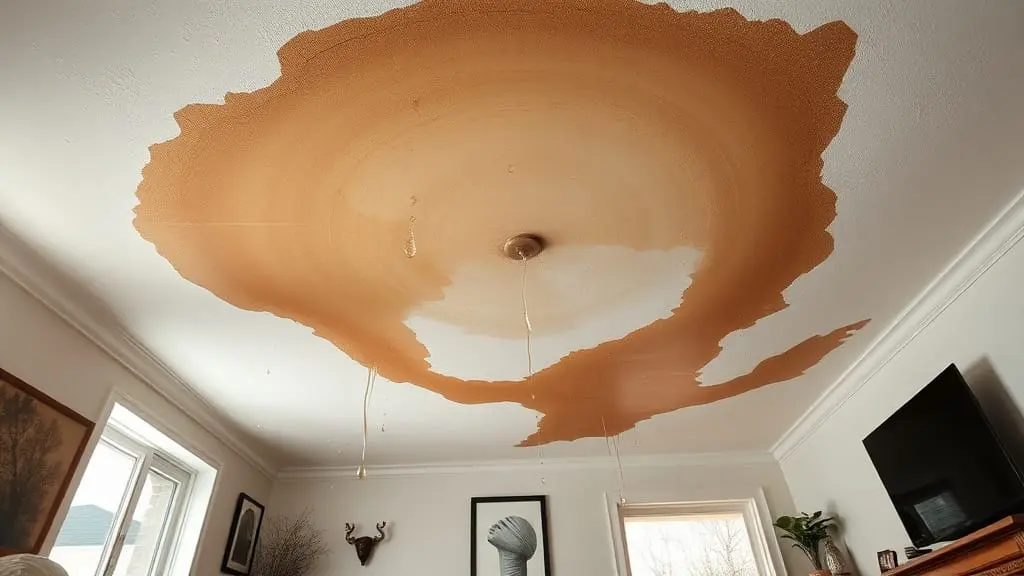
Water Damage Restoration in
Lake Worth, TX
Rapid water damage response for Lake Worth residents living along the scenic shores of the lake, just minutes from the Fort Worth Nature Center and Refuge.
Local Experts You Can Trust
Lake Worth, situated in Tarrant County along the scenic western shores of its namesake reservoir, is one of the Fort Worth area's most water-adjacent communities. With approximately 4,600 residents packed into just 2.46 square miles and a zip code of 76135, virtually every neighborhood in this community sits within a short distance of open water. From Lakeside Estates and Lake Country Estates directly fronting the reservoir to the Marine Creek Area neighborhoods bordering the no-wake Marine Creek Lake, homeowners here face a layered set of water damage threats that few other Fort Worth suburbs must contend with. The Fort Worth Nature Center and Refuge—spanning 3,621 acres of floodplain just east of the community—is a constant reminder that this entire corridor exists within one of North Texas's most dynamic hydrological zones.
The expansive Tarrant County clay soil underlying Lake Worth is the community's most persistent structural enemy. This dark, heavy Vertisol clay—the same geologic material that plagues foundations across the entire DFW metroplex—can absorb so much moisture during wet seasons that it swells up to 30 percent of its dry volume. When the inevitable North Texas drought arrives, it shrinks back just as dramatically, leaving voids beneath concrete slabs and putting lateral stress on foundation walls. Homes in the Skyline and Northside neighborhoods, many built between the 1950s and 1970s, experience this cycle repeatedly throughout the year. The cumulative effect is foundation cracking, slab displacement, and the eventual development of gaps through which water readily intrudes during the next rain event. Our teams frequently respond to slab leak calls in this area where shifted foundations have stressed copper supply lines until they fail. If you suspect a hidden leak, water damage restoration professionals can trace the source and begin structural drying immediately.
Proximity to both Lake Worth reservoir and Marine Creek creates a dual flooding risk that is somewhat unique in Tarrant County. During heavy rainfall events—and North Texas receives an average of 36 to 38 inches annually, with particularly intense spring and fall storm seasons—the reservoir can rise rapidly. The Tarrant Regional Water District has historically monitored outflows carefully, but when storms overwhelm regional drainage systems, low-lying properties near the water's edge flood with little warning. The Marine Creek Area, positioned between the lake and the creek corridor that feeds into it, is particularly susceptible to what flood engineers call "drainage pinch" conditions: water unable to move downstream fast enough backs up into residential yards and, eventually, into homes. Flood damage cleanup in these situations requires industrial water extraction equipment and structural drying that begins within hours to prevent secondary damage from mold growth.
The housing stock in Lake Worth tells a story of post-World War II suburban development that accelerated through the 1980s. Many homes in the Lakeside Estates neighborhood were constructed during the 1960s and 1970s, when builders routinely used galvanized steel water supply pipes that have a service life of roughly 40 to 70 years—meaning thousands of these pipes are now at or past their expected lifespan. Galvanized pipes corrode from the inside out, initially restricting water flow and eventually failing entirely, often rupturing behind walls or beneath slabs. The older ranch-style homes common throughout the community frequently feature cast iron drain lines as well, which are prone to root infiltration, joint separation, and cracking as surrounding soil shifts. When these aging systems fail, the resulting water intrusion can saturate subfloor materials, wall cavities, and insulation within hours. Our burst pipe cleanup crews respond 24 hours a day to minimize structural damage when these failures occur.
Winter weather presents a compounding risk for Lake Worth homes. The Fort Worth area typically experiences between one and three significant freeze events per year, and the 76135 zip code is not immune. Homes built before the 1980s often have exposed supply lines in uninsulated garages, crawl spaces, and exterior walls—configurations that virtually guarantee pipe freezing when temperatures drop below 28 degrees Fahrenheit for more than four hours. The February 2021 winter storm that devastated the broader DFW region was a stark illustration of this vulnerability: Lake Worth, like every surrounding community, saw widespread pipe bursts as heating systems failed and temperatures plummeted to historic lows. Broken Rayl Park and the Fort Worth Nature Center may offer beautiful lakeside scenery in normal conditions, but when freeze events strike, the community's water-adjacent location adds moisture to an already difficult restoration environment. Emergency water extraction following a pipe burst must begin within the first hour to prevent flooring, drywall, and cabinetry from absorbing enough moisture to require full replacement.
Stormwater infrastructure is another consideration for Lake Worth property owners. The city's impervious surfaces—rooftops, driveways, parking areas—funnel rainfall directly into storm drains and creek channels rather than allowing natural ground absorption. During multi-inch rainfall events common in spring and fall, these systems can become overwhelmed, causing surface flooding in low-lying streets and backyards. Homes in the Lake Country Estates area and along the western shoreline that experience repeated surface flooding often develop chronic crawl space moisture problems, leading to wood rot, subfloor deterioration, and elevated indoor humidity levels that promote mold growth. If a storm has flooded your property, storm damage restoration from a team familiar with North Texas drainage patterns is essential. Navigating insurance claims for storm and flood damage can be complex; 2 Brothers Restoration works directly with adjusters to ensure every documented loss is properly addressed. Whether your home faces a plumbing emergency, foundation leak, or storm flooding, our Lake Worth restoration teams provide the rapid, expert response that protects your investment in this water-rich community. The proximity to both the Fort Worth Nature Center's floodplain and two active water bodies means moisture management is a year-round discipline for Lake Worth homeowners—and a year-round commitment for our restoration crews who know every street, neighborhood, and drainage corridor in this distinctive Tarrant County lakeside community. When you call 2 Brothers Restoration, you reach a team that has worked in Lake Worth's oldest homes and newest renovations alike, bringing the same meticulous approach to drying, documentation, and structural assessment regardless of the scale of the event.
Neighborhoods We Serve in Lake Worth
Common Water Damage Risks in Lake Worth
- Foundation movement from clay soil
- High water table issues
- Aging plumbing in older homes
- Slab heaving and settling
- Lakefront flooding
- Poor clay drainage