
Water Damage Restoration in
Fort Worth, TX
Serving the entire Fort Worth metropolitan area with rapid response times.
Local Experts You Can Trust
Water damage restoration in Fort Worth requires understanding the unique challenges of Texas's fourth-largest city, where historic neighborhoods built in the early 1900s sit alongside modern developments, and where the expansive Blackland Prairie clay soil creates constant foundation movement that stresses plumbing systems year-round. Fort Worth covers over 350 square miles across zip codes 76102, 76104, 76107, 76133, and many more, making response time a genuine logistical challenge — one we meet with strategically positioned crews. From the Victorian homes of Fairmount and Mistletoe Heights with their original galvanized plumbing, to the mid-century ranches of Ridglea and Wedgwood with aging copper lines, to the modern estates of Westover Hills and Tanglewood, each neighborhood presents distinct water damage vulnerabilities that demand local expertise.
Fort Worth's location at the convergence of the West Fork and Clear Fork of the Trinity River makes flood risk a reality for properties in low-lying areas, particularly during the intense spring and early summer thunderstorm season when North Texas can receive 3 to 5 inches of rain in a single afternoon. The May 2015 Memorial Day floods that devastated parts of the Fort Worth metro area demonstrated just how quickly urban drainage systems can be overwhelmed. Neighborhoods along Marine Creek near the Historic Stockyards, properties flanking Sycamore Creek in the South Side, and homes adjacent to Village Creek in the east all face elevated inundation risk during severe weather. But flood-prone terrain isn't the only concern — neighborhoods across all of Fort Worth experience water damage from burst pipes during rare winter freezes, roof failures during severe hailstorms, and foundation-related plumbing failures that can go undetected for months.
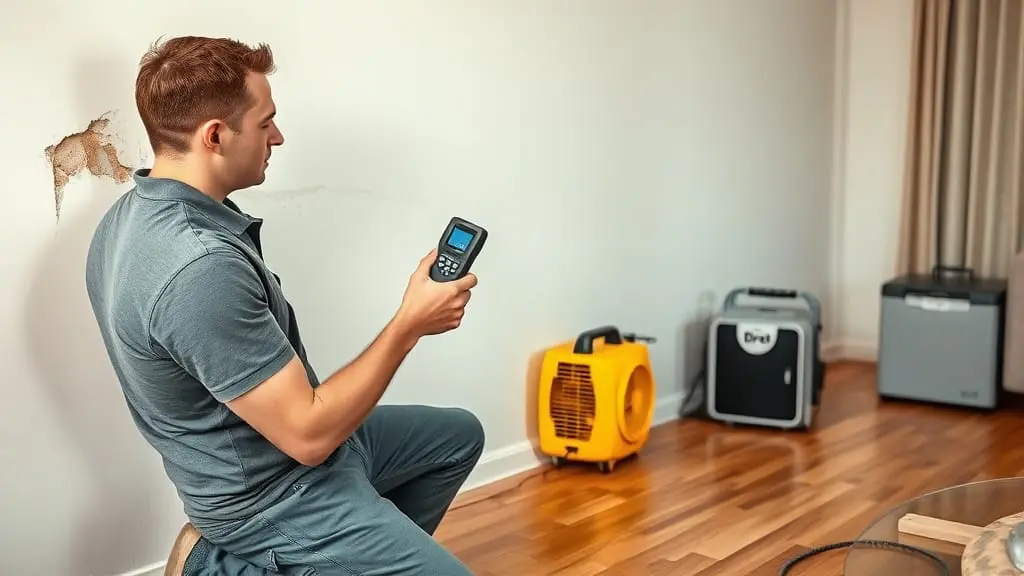
The Blackland Prairie clay soil beneath Fort Worth behaves like a sponge, swelling dramatically when wet and cracking hard when dry. This shrink-swell cycle puts relentless stress on slab foundations, separating pipe joints and cracking sewer laterals in neighborhoods from Wedgwood near Hulen Street to Summerfields on the far south side. Homes in Ryan Place and Berkeley Place — desirable historic districts dating to the 1920s — often still have galvanized iron supply pipes that have corroded from the inside out over seven-plus decades of service. When these pipes finally fail, water can flow behind lathe-and-plaster walls for days before a visible ceiling stain alerts the homeowner. Our water damage restoration teams use thermal imaging and moisture meters to trace every pocket of saturation, including those hidden behind period walls and under original hardwood floors.
Winter freeze events, while infrequent in North Texas, have proven catastrophically damaging when they do arrive. The February 2021 Winter Storm Uri sent temperatures plunging below zero across the Fort Worth metro, bursting supply lines in millions of homes statewide. Properties in Arlington Heights near the Cultural District, tract homes in Sylvania Park, and new construction in Alliance near the Texas Motor Speedway all sustained pipe damage at extraordinary scale during that event. Attic supply lines, exterior hose bibs, and pipes running through uninsulated garage walls are the most common failure points. Our burst pipe cleanup service guarantees arrival within one hour of your call, with truck-mounted extractors capable of removing thousands of gallons per hour from your Fort Worth home.
Severe thunderstorms are a seasonal certainty in Fort Worth. The city sits squarely in Hail Alley — the geographic corridor between the Rocky Mountains and the Gulf of Mexico where supercell storms produce the nation's most damaging hail. Quarter-sized to golf-ball-sized hail punches through roof shingles, exposing the decking beneath, and the same thunderstorm that drops the hail immediately delivers two to four inches of rain through those fresh punctures. Water pours into attic insulation, saturates ceiling drywall, and cascades down interior walls before reaching the living space below. Properties in Fossil Creek, Park Glen, and the master-planned communities of Heritage near Alliance have all experienced this roof-to-interior damage pattern. Our storm damage restoration crews provide emergency roof tarping and rapid interior extraction simultaneously, stopping the source while removing the water already inside.
Sewage backup is an underappreciated water damage risk in older Fort Worth neighborhoods. Cast iron sewer laterals from the 1950s and 60s have reached the end of their service life in areas like Stop Six, Polytechnic Heights, and parts of Eastside, and mature oak and elm tree roots relentlessly infiltrate cracked clay pipes searching for moisture. When municipal systems also back up during heavy rain events, the resulting sewage overflow constitutes Category 3 black water contamination — a serious biohazard requiring specialized protective equipment, containment protocols, and EPA-registered antimicrobials. Our sewage cleanup technicians are trained to IICRC S500 standards for contaminated water events and respond around the clock.
Appliance failures represent a frequently underestimated water damage source across Fort Worth's diverse housing stock. The city's estimated 300,000-plus households collectively contain millions of aging appliances — washing machines, dishwashers, refrigerators with ice makers, water heaters — and any one of them can fail without warning. A burst washing machine supply hose can discharge 500 to 800 gallons in an hour before a homeowner discovers the flood. Refrigerator ice maker lines fail at compression fittings, leaking slowly behind the unit into flooring and subfloor assemblies for months. In high-density areas like the multi-family corridors near University Drive and Camp Bowie Boulevard, a washing machine failure on an upper floor can cascade through to the unit or living space below, creating multi-party insurance claims and coordination challenges. Our technicians are experienced in these complex scenarios and work with property managers, landlords, and individual homeowners alike to manage the extraction, drying, and documentation process efficiently.
Our crews serving Fort Worth are strategically positioned to reach properties from Downtown to Alliance, from the Stockyards to Benbrook, within our guaranteed one-hour emergency response time. We work directly with all major insurance carriers — State Farm, Allstate, USAA, Farmers, and others — to manage your insurance claims from first notice of loss through final settlement, providing Xactimate-formatted estimates and daily moisture logs your adjuster needs. Whether you're managing a 1920s craftsman bungalow in Fairmount or a 2020 new-build in the Walsh Ranch master-planned community, our IICRC-certified technicians bring the right industrial equipment and emergency water extraction expertise to restore your Fort Worth property completely — not just adequately.
Neighborhoods We Serve in Fort Worth
Common Water Damage Risks in Fort Worth
- Foundation settlement from expansive clay causing pipe stress
- Severe spring/summer thunderstorms with hail and flash flooding
- Aging galvanized plumbing in historic neighborhoods
- Winter freeze events (January-February) bursting exposed pipes
Local Conditions
Recent Restoration Work in Fort Worth
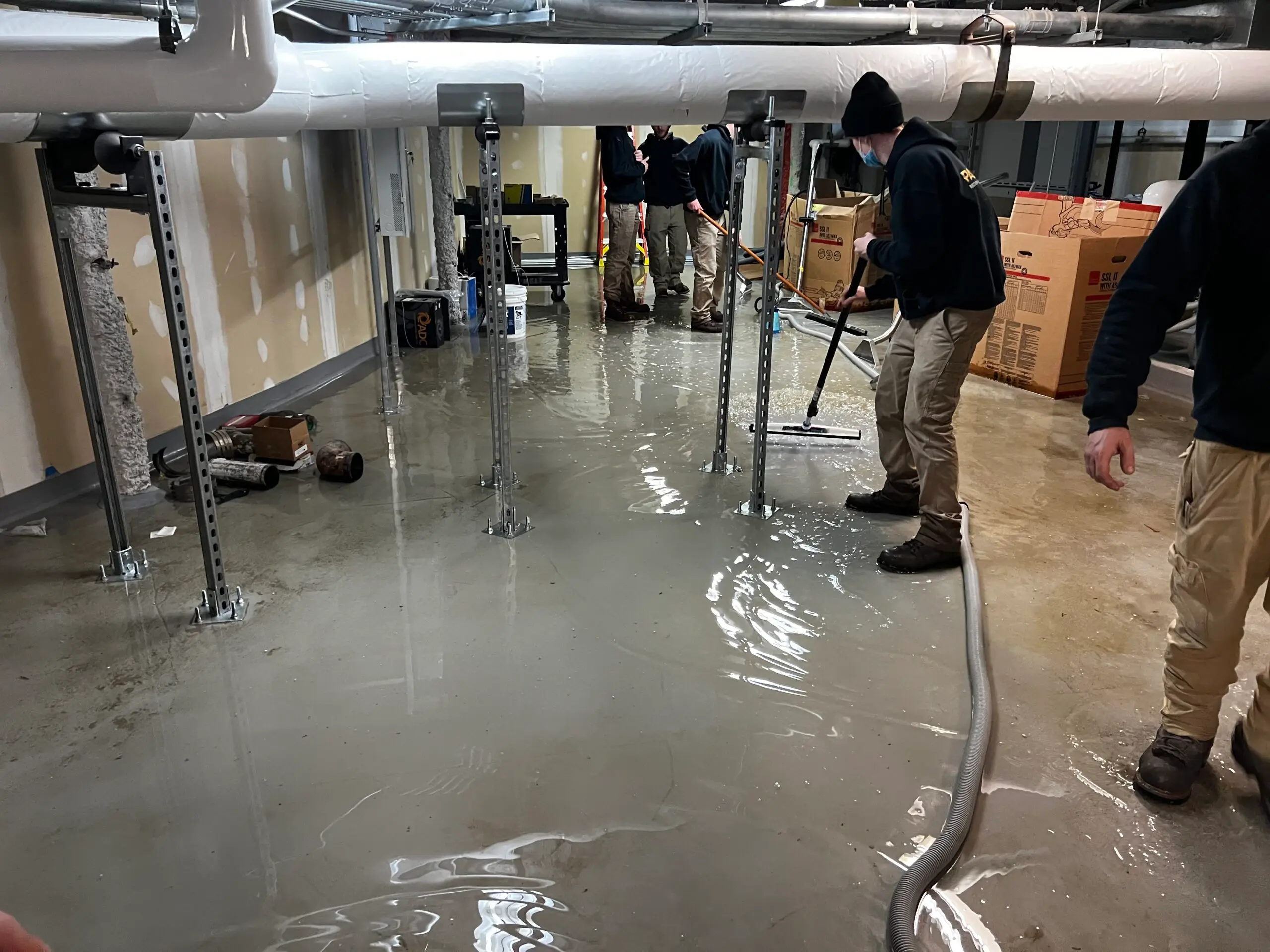
Commercial Office Flood
Heavy storms flooded the lobby of a downtown office building. We extracted 2,000 gallons of water and sanitized the area to prevent mold.