
Mold Remediation in
Fort Worth, TX
IICRC-certified mold testing, containment, and removal for homes and businesses across Fort Worth and the surrounding area. Available 24/7 for residential and commercial properties.
Comprehensive Mold Remediation
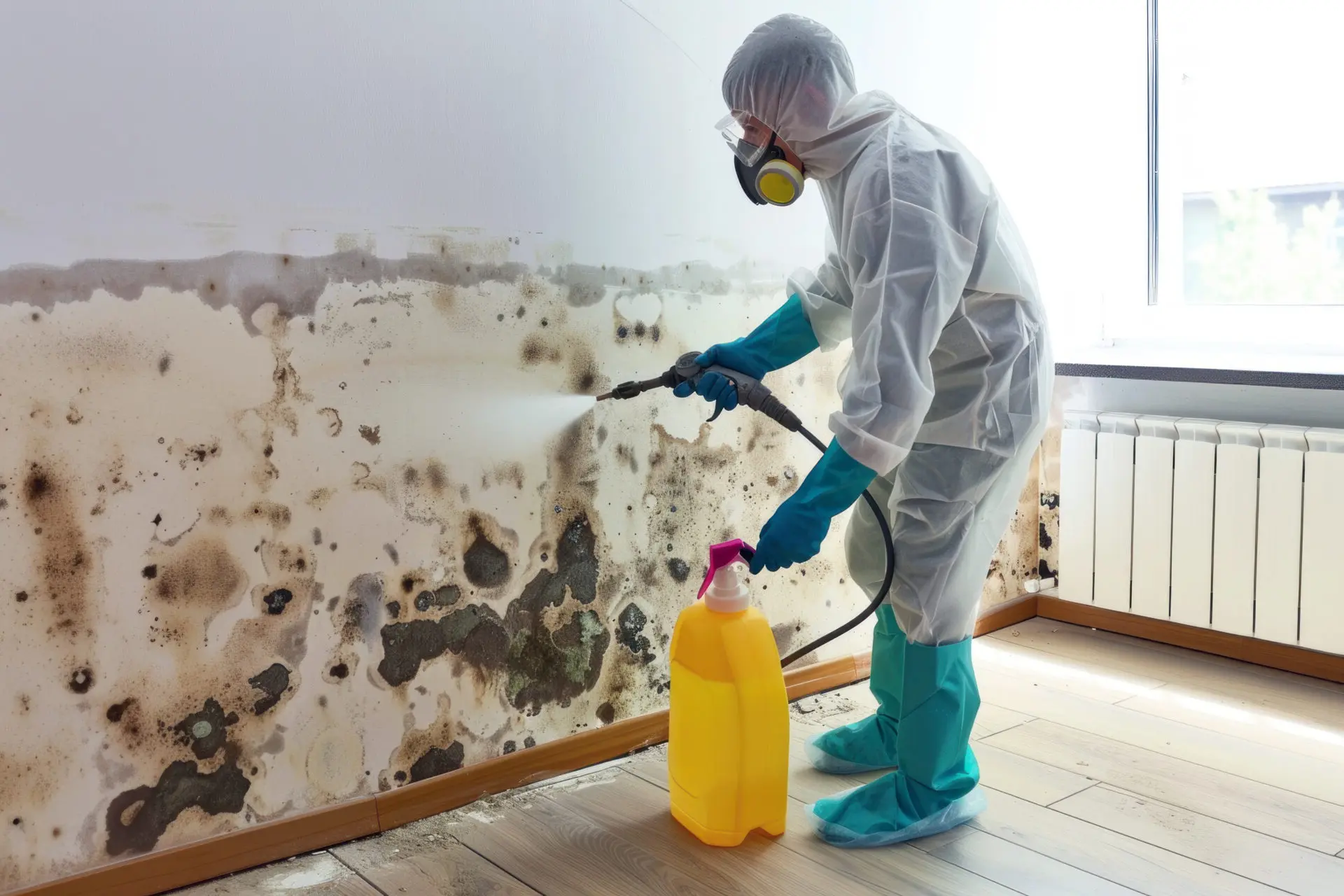
Mold begins colonizing wet building materials within 24–48 hours of a water intrusion event. Our mold remediation process follows IICRC S520 standards: we identify the species and concentration, establish containment barriers to prevent cross-contamination, remove affected materials, apply EPA-registered antimicrobials, and perform post-remediation clearance testing to confirm the space is safe. We locate and address the moisture source so mold does not return.
Mold is not simply a cosmetic problem — it is a biological hazard that degrades building materials and triggers respiratory illness, especially in people with asthma, allergies, or compromised immune systems. In the Fort Worth metro area, mold growth accelerates because of the climate: hot, humid summers following wet spring storm seasons leave homes with elevated indoor humidity for months, and any unresolved moisture intrusion from a burst pipe, roof leak, or foundation seep provides the organic material and dampness mold needs to thrive. The most common species we find in local homes — Cladosporium, Penicillium, and Aspergillus — are active in the temperature range that North Texas homes experience for most of the year.
Effective mold remediation begins with finding the moisture source, not just removing visible mold. If the source is not corrected, mold returns within weeks. We use thermal imaging cameras and calibrated moisture meters to locate hidden moisture in walls, under flooring, above ceiling tiles, and in HVAC ductwork before any remediation work begins. Common sources in the Fort Worth area include slow plumbing leaks behind walls, HVAC condensate pan overflows, attic condensation from poor ventilation, and residual moisture from prior water damage that was dried incompletely.
Our remediation process follows the IICRC S520 Standard for Professional Mold Remediation. We establish containment using 6-mil poly sheeting and negative air pressure units with HEPA filtration to prevent mold spores from spreading to unaffected areas of the home during removal. Affected drywall, insulation, and porous materials that cannot be adequately decontaminated are removed and disposed of per EPA guidelines. Hard surfaces are wire-brushed, HEPA-vacuumed, and treated with EPA-registered antimicrobial agents with demonstrated efficacy against the specific mold genera present.
After remediation, we conduct a post-remediation verification (PRV) inspection. Air samples and surface samples are collected and sent to an accredited third-party laboratory to confirm that mold spore counts have returned to normal background levels and that no viable mold colonies remain. We do not clear a job without passing clearance testing — this protects our clients from callback situations and gives homeowners documentation for insurance claims and future real estate transactions.
Mold remediation is frequently covered by homeowner's insurance when the mold results from a covered peril such as a sudden pipe burst or storm intrusion. Our team helps you document the relationship between the moisture event and the mold growth to maximize your insurance recovery. We work with all major carriers including State Farm, Allstate, USAA, and Farmers.
Common Causes in Fort Worth
- Unresolved water damage left partially dried
- Slow plumbing leaks behind walls or under cabinets
- HVAC condensate pan overflows
- Poor attic ventilation creating condensation
- Crawl space moisture from soil off-gassing
- Roof leaks with moisture trapped in insulation
Our Restoration Process
Assessment & Inspection
We identify the source of water and map the moisture spread.
Water Extraction
Removing standing water immediately to prevent secondary damage.
Drying & Dehumidification
Industrial equipment dries deep into walls and floors.
Cleaning & Sanitizing
We use antimicrobial treatments to ensure safety.
Frequently Asked Questions
How do I know if I have a mold problem in my Fort Worth home?
Common signs include a musty odor that persists even after cleaning, visible discoloration (black, green, or white fuzzy growth) on walls, ceilings, or under sinks, unexplained allergy or asthma symptoms that improve when you leave the house, and visible water stains from past leaks. Mold can also grow hidden behind drywall and under flooring where it is not visible. If you have had a water intrusion event in the past and the area was not professionally dried, mold growth is likely.
Is mold remediation covered by my homeowner's insurance?
It depends on the cause. If mold resulted from a sudden, accidental water event covered by your policy — such as a burst pipe or storm damage — the remediation is typically covered. If mold resulted from long-term neglect or a gradual leak, insurers often deny coverage. We help document the moisture event and mold connection to give you the strongest possible claim. We work with all major carriers including State Farm, Allstate, USAA, and Farmers.
Can I stay in my house during mold remediation?
In most cases, yes — especially if the affected area is contained to one room or zone. We establish poly containment barriers and negative air pressure to prevent spores from spreading to living areas. For larger remediation projects involving multiple rooms, HVAC systems, or attic spaces, we recommend making temporary arrangements. We assess each situation and give you an honest recommendation before work begins.
Will the mold come back after remediation?
Not if the moisture source is corrected. Mold requires moisture to grow — if the source of water or humidity that caused the mold is identified and fixed before or during remediation, the treated area will not re-grow mold. We always locate and address the root cause as part of our process. If a prior contractor removed mold without fixing the moisture problem, that is why mold returned.
Mold Remediation Near You
We serve the entire Fort Worth metro area. Click your city for local pricing, response times, and area-specific information.
Get Priority Response
Step 1 of 3Service Details
- Thermal imaging cameras (locate hidden moisture sources)
- Negative air pressure machines with HEPA filtration
- Industrial HEPA vacuums
- Air scrubbers with HEPA + carbon filters
- Calibrated moisture meters and hygrometers
Why Choose Us?
- Locally Owned & Operated
- Direct Insurance Billing
- 5-Star Google Rated