
What to Do During a Flood in Fort Worth: A Complete Survival Guide
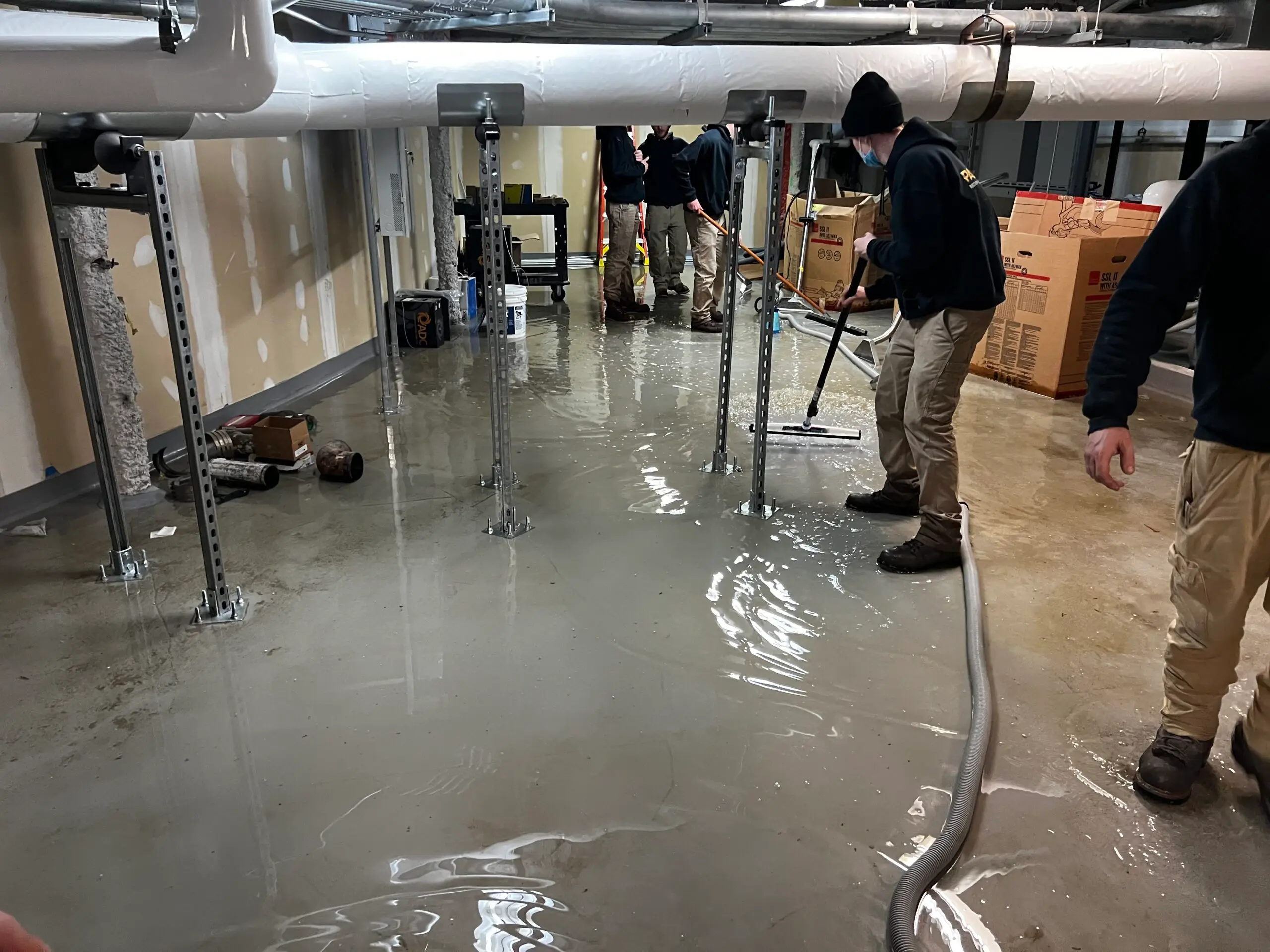
Fort Worth Flooding: Know the Risks
Fort Worth and the greater Fort Worth metro area sit in a region prone to flash flooding, especially during spring and fall storm seasons. The Trinity River watershed, combined with rapid urban development, means that even moderate rainfall events can overwhelm drainage systems and put homes at risk. Understanding what to do before, during, and after a flood can mean the difference between a manageable situation and a catastrophic loss.
According to FEMA, flooding is the most common natural disaster in Texas, and Tarrant County consistently ranks among the highest-risk areas. Whether you live near the Clear Fork of the Trinity or in a suburban neighborhood, flood preparedness is essential for every Fort Worth homeowner.
Immediate Steps When Flood Waters Rise
If you receive a flood warning or notice water rising around your Fort Worth home, act immediately. First, move to higher ground within your home — go upstairs if you have a second floor. Never attempt to walk or drive through floodwaters. Just six inches of moving water can knock you down, and two feet of water can float a vehicle.
Shut off electricity at the main breaker if you can safely reach it. Unplug major appliances and move valuable items, important documents, and medications to the highest point in your home. If you have time, place sandbags or flood barriers around entry points like garage doors and ground-level doorways.
Call 911 if you are in immediate danger. Fort Worth's emergency services are well-equipped for flood response, but during major events, response times can increase significantly. Have a plan to shelter in place for at least 24 hours.
Protecting Your Property During the Flood
While your safety comes first, there are steps you can take to minimize property damage. Close all interior doors — this can slow the flow of water through your home and reduce structural damage. Photograph or video everything as the water rises for insurance documentation purposes.
If water is entering through your foundation, resist the urge to pump it out while outside water levels are still high. The pressure differential can cause your basement walls or foundation to crack or collapse. Wait until exterior water levels recede before beginning any water removal.
After the Flood: Critical First 24 Hours
Once flood waters recede, the clock starts ticking. Mold can begin growing within 24 to 48 hours in Fort Worth's humid climate. Before re-entering your home, check for structural damage, downed power lines, and gas leaks. Contact your utility companies to have services inspected before turning anything back on.
Document all damage thoroughly with photos and video before moving or discarding anything. Your insurance company will need this evidence. Then call a professional water damage restoration team immediately. The faster professional extraction and drying begins, the more of your home and belongings can be saved.
When to Call Professional Restoration Help
Any flood event that introduces standing water into your home warrants professional help. Floodwater is classified as Category 3 — the most contaminated — because it may contain sewage, chemicals, and biological hazards. DIY cleanup of floodwater is not only inadequate but potentially dangerous.
At 2 Brothers Restoration, we provide emergency water extraction services 24/7 across Fort Worth and the Fort Worth metro area. Our teams arrive within 60 minutes with industrial-grade equipment to begin the restoration process. Contact us immediately if your home has been affected by flooding — every hour counts.
For more information about our restoration process and what to expect, visit our restoration process page or check our frequently asked questions.
Get Priority Response
Step 1 of 3Have an Emergency?
Do not let water damage sit. We are available 24/7 to take your call.
(817) 607-3264