
Water Damage Categories: Class 1, 2, 3, and 4 Explained
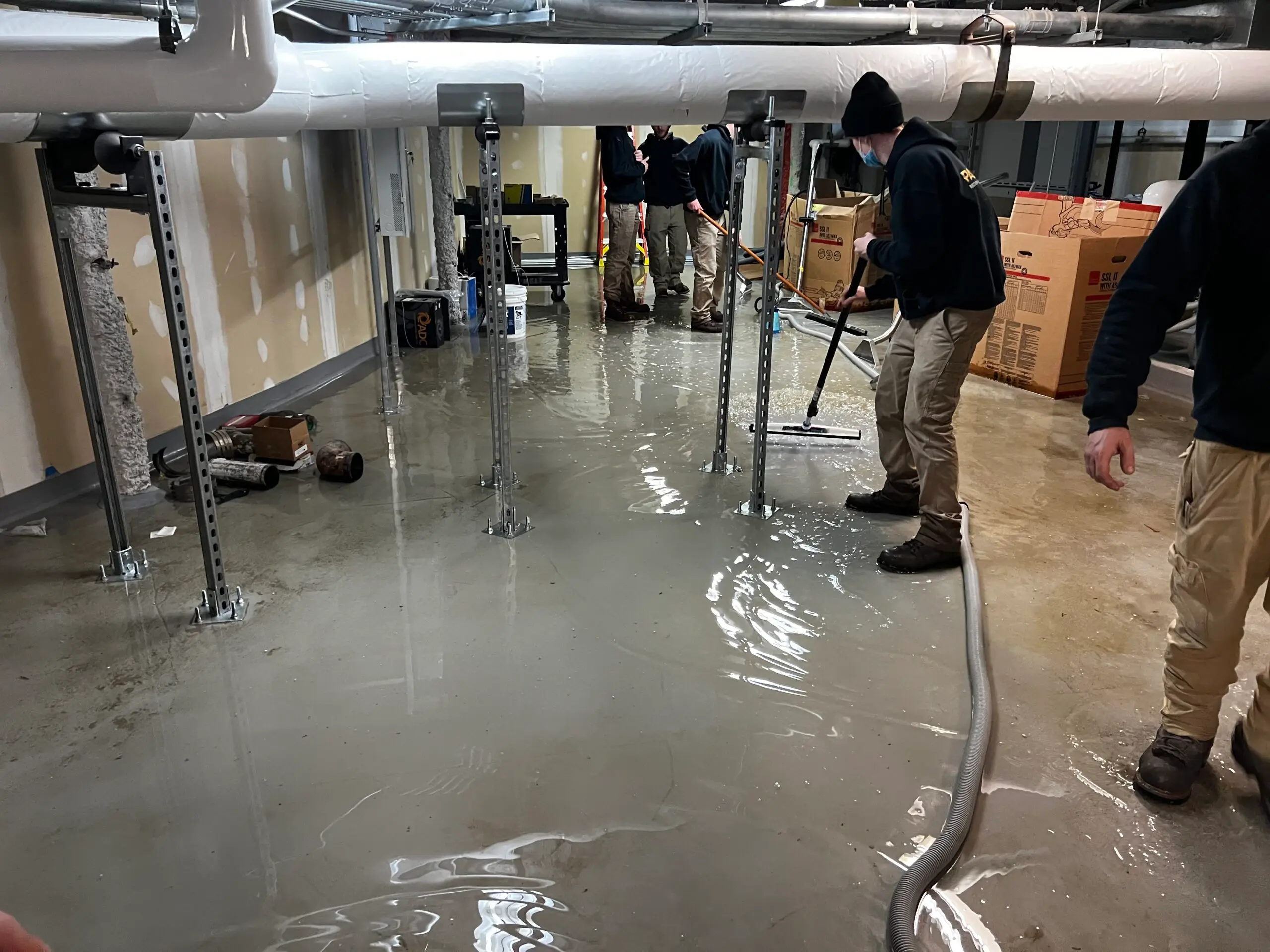
Water Damage Categories: Class 1, 2, 3, and 4 Explained
When a water damage restoration company assesses your property, one of the first things they determine is the category and class of the water damage. These are not arbitrary labels. They are standardized classifications established by the IICRC (Institute of Inspection, Cleaning and Restoration Certification) in their S500 Standard for Professional Water Damage Restoration. These classifications directly determine the restoration approach, what materials can be saved, what must be discarded, the type of equipment used, safety protocols required, and ultimately the cost of the project.
Understanding these classifications helps you assess the severity of your own situation, communicate effectively with restoration professionals, and understand your insurance claim. Let us break down each category and class in detail.
Water Damage Categories: The Source and Contamination Level
Water damage categories describe the source and contamination level of the water involved. There are three categories, ranging from clean water to grossly contaminated water. An important principle to understand is that water damage can change categories over time. Category 1 water that sits for more than 48 hours can degrade to Category 2 or even Category 3 as bacteria multiply in the stagnant water.
Category 1: Clean Water
Category 1 water originates from a sanitary source and does not pose a substantial risk to humans if contacted, ingested, or inhaled. Common sources of Category 1 water damage include broken water supply lines, failed supply hoses to appliances such as washing machines and ice makers, tub or sink overflows with no contaminants, falling rainwater entering through a roof leak, and melting ice or snow.
Category 1 water damage is the least hazardous and offers the most opportunity to save affected materials. Carpet, carpet padding, drywall, and most building materials can often be dried in place and salvaged if Category 1 water is addressed within the first 24 to 48 hours. The restoration approach focuses on rapid extraction and structural drying using standard equipment configurations.
However, it is critical to understand that Category 1 water does not stay Category 1 indefinitely. Once clean water enters your home, it begins picking up contaminants from the surfaces it contacts, including dirt, dust, bacteria from floors, and chemicals from building materials. If Category 1 water is not extracted and dried within approximately 48 hours, it can degrade to Category 2 due to bacterial growth. This is one of the primary reasons why prompt response is so important even for clean water events.
Category 2: Gray Water
Category 2 water contains significant contamination and has the potential to cause discomfort or illness if contacted or consumed. Common sources include discharge from washing machines and dishwashers, toilet overflow with urine but no feces, sump pump failures, aquarium leaks, and water that has been standing on surfaces for more than 48 hours regardless of its original category.
Gray water requires a more cautious restoration approach than clean water. Personal protective equipment, including gloves and sometimes respiratory protection, is required for technicians working with Category 2 water. Porous materials that have absorbed Category 2 water may need to be discarded depending on the material type and the duration of exposure. Carpet can sometimes be saved if the padding is discarded and the carpet is professionally cleaned and treated with antimicrobial agents. Drywall that has absorbed Category 2 water for less than 24 hours can often be dried and treated, but extended exposure usually requires removal.
All surfaces contacted by Category 2 water must be cleaned and disinfected with appropriate antimicrobial agents after drying. The cleaning process is more thorough than for Category 1, involving multiple applications of cleaning agents with appropriate contact times.
Category 3: Black Water
Category 3 water is grossly contaminated and contains pathogenic agents, toxins, or other harmful substances that pose a serious health risk. Category 3 water can cause severe illness or death if ingested, and skin contact can cause infections. Sources of Category 3 water include sewage backups, flooding from rivers, creeks, and storm drains, water that has been standing for extended periods with significant microbial growth, and any water that has contacted soil or decomposing organic matter.
Category 3 water damage requires the most aggressive restoration protocol. Technicians must wear full personal protective equipment including Tyvek suits, rubber boots, nitrile gloves, and HEPA-filtered respirators. All porous materials that have contacted Category 3 water must be removed and discarded. This includes carpet, carpet padding, drywall, insulation, upholstered furniture, mattresses, clothing, and paper products. Non-porous materials such as concrete, metal, glass, and some plastics can be cleaned, disinfected, and saved.
After removal of contaminated materials, all remaining surfaces must be thoroughly cleaned and disinfected using EPA-registered products rated for biohazard remediation. Negative air machines with HEPA filtration are used to prevent airborne contamination during the cleanup process. Post-remediation verification testing may be required to confirm that the space is safe for reoccupation.
Flood damage from external storm water is always classified as Category 3 because the water has traveled over ground surfaces, through storm drains, and potentially through sewer systems, picking up an unknown mix of contaminants along the way.
Water Damage Classes: The Extent of Absorption
While categories describe what is in the water, classes describe how much water has been absorbed by the building materials and how difficult the drying process will be. There are four classes, and they determine the amount of drying equipment needed and the expected timeline for the restoration.
Class 1: Slow Rate of Evaporation
Class 1 water damage involves the least amount of water absorption and affects only a small area of the home. The water has been in contact with materials that have low porosity and low permeance, meaning they do not absorb water readily. Examples include a small leak on a tile floor, water on a concrete slab with no carpet, or a minor spill that affected only a small section of a room.
Class 1 events require the least amount of drying equipment and have the shortest drying timeline, often completing in one to two days. Only a small portion of a room is affected, and the materials involved release moisture slowly and require less aggressive airflow and dehumidification.
Class 2: Fast Rate of Evaporation
Class 2 water damage involves a significant amount of water that has been absorbed by building materials with moderate porosity. The hallmark of Class 2 damage is that water has wicked up walls less than 24 inches from the floor and has saturated carpet and padding throughout a room or a large portion of a room.
This is one of the most common classifications for residential water damage from burst pipes and appliance failures. The structural materials, primarily drywall and carpet, release moisture at a moderate rate and require a standard configuration of air movers and dehumidifiers. Drying time is typically three to five days.
Class 2 damage requires approximately one air mover for every 10 to 16 linear feet of affected wall and one commercial dehumidifier for every 50 to 70 linear feet. This equipment must run continuously, 24 hours a day, to maintain optimal drying conditions.
Class 3: Fastest Rate of Evaporation
Class 3 is the most extensive category of standard water damage. It is characterized by water that has come from overhead, such as a ceiling leak or broken sprinkler system, saturating walls, ceilings, carpet, cushion, and subfloor throughout the affected area. Water may have wicked up walls more than 24 inches, and ceilings may be saturated.
Class 3 events release moisture at the fastest rate because water is evaporating from all surfaces, including walls, floors, ceilings, and contents. This requires the maximum amount of standard drying equipment. More air movers are needed because more surface area requires airflow. More dehumidification capacity is needed because more moisture is being released into the air simultaneously.
Class 3 damage is common in situations involving storm damage with roof breaches, fire sprinkler discharges, and second-story plumbing failures that affect first-floor ceilings. Drying time is typically four to seven days, and the scope of material removal is usually more extensive than Class 2.
Class 4: Specialty Drying Situations
Class 4 water damage involves materials that have absorbed water deeply and require special drying techniques beyond standard air movers and dehumidifiers. These materials have very low permeance, meaning they do not release moisture readily through normal evaporation. Common Class 4 materials include hardwood flooring, plaster walls, concrete, stone, and dense structural timbers.
Class 4 situations require specialty drying equipment and techniques. For hardwood floors, drying mat systems create a sealed chamber over the floor surface and apply controlled heat and vacuum to draw moisture out of the wood. For concrete slabs, heat drying systems raise the temperature of the slab to accelerate evaporation. For plaster walls, Injectidry panels create a vacuum behind the wall surface to pull moisture through the plaster without damaging it.
Class 4 drying takes significantly longer than standard drying, often seven to fourteen days or more depending on the material thickness and the degree of saturation. The specialty equipment used for Class 4 drying is more expensive to operate, which increases the cost of restoration. However, proper Class 4 drying techniques can often save valuable materials like hardwood floors and original plaster that would otherwise need to be replaced.
Why Classification Matters for Your Insurance Claim
The water damage category and class directly affect the cost and scope of your insurance claim. Higher categories require more aggressive and expensive remediation protocols. Higher classes require more equipment and longer drying times. Your restoration company documents the classification in their scope of work and uses it to generate an estimate using industry-standard pricing software like Xactimate.
Insurance adjusters are trained to understand these classifications and will review the documentation to verify that the restoration approach matches the classified conditions. Having a restoration company that properly classifies the damage and documents their findings protects you from both under-coverage, where the adjuster underestimates the scope, and from unnecessary work that inflates costs without benefit.
How Classification Affects What Can Be Saved
Here is a general guide to material salvageability based on category and class:
- Category 1, Class 1 or 2: Most materials can be saved with prompt drying. Carpet, padding, drywall, and hardwood typically salvageable.
- Category 1, Class 3 or 4: Most materials can be saved but require extended drying and specialty equipment. Some ceiling materials may need replacement.
- Category 2, Class 1 or 2: Carpet can often be saved if padding is replaced. Drywall may be salvageable if dried within 24 hours. All materials must be disinfected.
- Category 2, Class 3 or 4: More material removal is typically required. Carpet padding must be discarded. Drywall removal is more likely.
- Category 3, any class: All porous materials must be removed and discarded. Only non-porous, structurally sound materials can be cleaned, disinfected, and retained.
What You Can Do Right Now
If you are currently dealing with water damage, here is how to use this knowledge:
- Identify the source: Knowing where the water came from helps determine the category. A broken supply line is Category 1. An overflowing washing machine is Category 2. A sewer backup or exterior flooding is Category 3.
- Note the time: How long the water has been present affects both the category, since clean water degrades over time, and the class, since longer exposure means deeper absorption.
- Assess the spread: How high has water wicked up the walls? Is only the floor affected, or are walls and ceilings involved too? This helps approximate the class.
- Call a professional: A certified water damage restoration technician will conduct a proper assessment with calibrated instruments and classify the damage accurately. This classification drives every subsequent decision in the restoration process.
At 2 Brothers Restoration, our IICRC-certified technicians properly classify every water damage event we respond to in the Fort Worth area. Accurate classification protects you by ensuring the right restoration approach is used for your specific situation, neither too little, which would leave hidden damage, nor too much, which would waste your time and money. Call us 24 hours a day, 7 days a week, for a professional assessment and honest recommendations based on the true nature of your water damage.
Get Priority Response
Step 1 of 3Have an Emergency?
Do not let water damage sit. We are available 24/7 to take your call.
(817) 607-3264