
Water Damage from Appliance Leaks: The Hidden Risk in Every Fort Worth Kitchen
The Appliance Leak Nobody Talks About
Burst pipes and storm flooding dominate the conversation about residential water damage, but appliance failures are quietly responsible for a massive share of homeowner's insurance claims nationwide. Refrigerators, washing machines, and dishwashers collectively cause hundreds of thousands of water damage claims every year in the United States. In Fort Worth and the surrounding Tarrant County area, where summer heat accelerates the degradation of rubber hoses and seals, appliance leaks are an underappreciated and highly preventable source of significant property damage.
What makes appliance leaks particularly destructive is their stealth. A burst pipe floods a room in minutes and demands immediate attention. An appliance leak — a pinhole in an ice maker supply line, a slow failure in a washing machine hose connection, a deteriorating dishwasher door seal — can drip and seep for weeks or months before becoming visible. By the time water appears on the floor, serious damage may already be done inside the wall cavity or under the subfloor.
Refrigerator Ice Maker Lines: Small Pipe, Big Damage
The supply line feeding your refrigerator's ice maker is typically a small-diameter tube — often a quarter-inch plastic or thin copper line — running from the water supply valve behind the fridge to the appliance itself. These lines are hidden behind the refrigerator, rarely inspected, and gradually degraded by the repeated vibration of the compressor and the occasional movement of the appliance during cleaning.
When an ice maker supply line fails, it often fails slowly — a small drip that runs behind and under the refrigerator. Because the fridge is rarely moved, that slow drip can saturate the floor underneath and wick into the baseboards and wall framing for months without detection. A three-month slow leak from an ice maker line can cause $15,000 or more in subfloor and wall damage by the time it is discovered.
The fix is simple and inexpensive: replace rubber or plastic ice maker supply lines with braided stainless steel lines (available at any hardware store for under $20) and do it proactively every five years. Install a small water sensor behind the refrigerator that sounds an alarm if moisture is detected.
Washing Machine Hoses: The Catastrophic Failure Risk
Standard rubber washing machine hoses are one of the leading causes of major residential water damage in the country. These hoses are under constant water pressure — unlike most home plumbing, washing machine supply hoses are pressurized 24 hours a day — and they degrade over time from that constant stress. The average rubber washing machine hose has a service life of five to eight years. After that point, the risk of sudden, catastrophic hose failure increases significantly.
When a washing machine hose fails, it can fail completely — releasing the full pressure of your home's water supply into the laundry room. Depending on how quickly the leak is discovered, the result can be inches of standing water that seeps through walls and subfloors to the rooms and stories below. A catastrophic hose failure in a second-floor laundry room can cause damage to every level of a home.
Replace rubber washing machine hoses with braided stainless steel hoses rated for high pressure. Install a washing machine leak detector — a simple alarm that sits on the floor behind or beside the machine and sounds when moisture is present. Shut off the water supply valves to the washing machine when leaving home for extended periods.
Dishwashers: The Under-Cabinet Leak
Dishwasher leaks tend to originate from two sources: the door seal and the supply line or drain connection under the cabinet. Door seal failures are often visible — water pooling at the base of the dishwasher during or after a cycle — but supply line and drain connection failures under the cabinet are frequently hidden behind the kick plate and go unnoticed until the cabinet floor is saturated. Once water enters the cabinet, it migrates under the flooring and through the sub-floor to the structure below.
Inspect the area under your dishwasher annually. Pull the kick plate and look for any evidence of moisture, discoloration, or warping on the cabinet floor. Check the condition of the door seal — it should be supple and free of cracks or gaps. Replace deteriorating seals promptly.
North Texas Heat Accelerates Rubber Degradation
Fort Worth's climate deserves special mention here. Sustained summer temperatures above 100°F — and attic and crawl space temperatures significantly higher — accelerate the degradation of rubber gaskets, hoses, and seals faster than in cooler regions. A rubber washing machine hose that might last eight years in a home in the Pacific Northwest may fail in five years in a Fort Worth home where the laundry room regularly hits 90°F in summer. The same applies to refrigerator supply lines, dishwasher door seals, and any other rubber or plastic component in your home's water supply chain. Replace proactively on a shortened schedule.
What to Do When You Discover an Appliance Leak
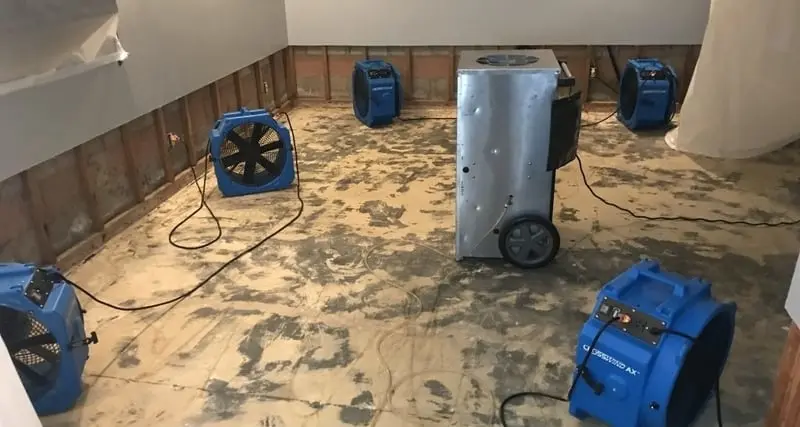
If you discover a leak from any appliance, take these steps immediately. First, shut off the water supply valve to that appliance — or shut off the main water supply to the home if you cannot locate the appliance valve. Second, document the damage with photographs before moving anything. Third, call a water damage restoration company — do not wait to see if the area dries out on its own. Hidden moisture under flooring and inside wall cavities requires professional drying equipment to extract completely.
Waiting even 48 hours to address appliance leak damage significantly increases mold risk and can turn a manageable drying job into a full-scale remediation project. The cost difference between a rapid professional response and a delayed one is often measured in thousands of dollars.
Consider whole-home leak detection systems like Flo by Moen or Phyn, which monitor water flow throughout your home and can detect anomalies consistent with slow leaks before they become major damage events. These systems can also shut off the main water supply automatically when a leak is detected.
2 Brothers Restoration responds to appliance leak water damage throughout Fort Worth and Tarrant County. Our team provides emergency water extraction, structural drying, and complete restoration. Contact us the moment you discover water damage — rapid response is the single most effective tool for limiting damage and cost. Learn more about our water damage restoration process and how we handle insurance claims for appliance-related water damage.
Get Priority Response
Step 1 of 3Have an Emergency?
Do not let water damage sit. We are available 24/7 to take your call.
(817) 607-3264