
Understanding Water Damage Categories 1, 2, and 3: Fort Worth Guide
Why Water Damage Categories Matter
When a restoration professional arrives at your Fort Worth home after a water event, one of the first things they determine is the category of water involved. This is not just a technical classification — it directly determines the safety precautions required, the restoration methods used, which materials can be saved versus which must be removed, the health risks to your family, and the cost of restoration. Understanding these categories helps you communicate effectively with your restoration company and insurance adjuster, and protects your family's health.
Category 1: Clean Water
Category 1 water originates from a sanitary source and does not pose a substantial health risk from contact or ingestion. Common sources in Fort Worth homes include broken water supply lines, overflowing bathtubs or sinks (without backflow from drains), rainwater entering through a clean opening, and melting ice or snow. Category 1 water allows for the most material preservation. Drywall, carpet, hardwood floors, and most building materials can typically be dried in place if restoration begins quickly. The key word is "quickly" — Category 1 water left untreated can deteriorate to Category 2 within 24 to 48 hours as bacteria begin to colonize the moist environment, especially in Fort Worth's warm, humid climate.
Category 2: Gray Water
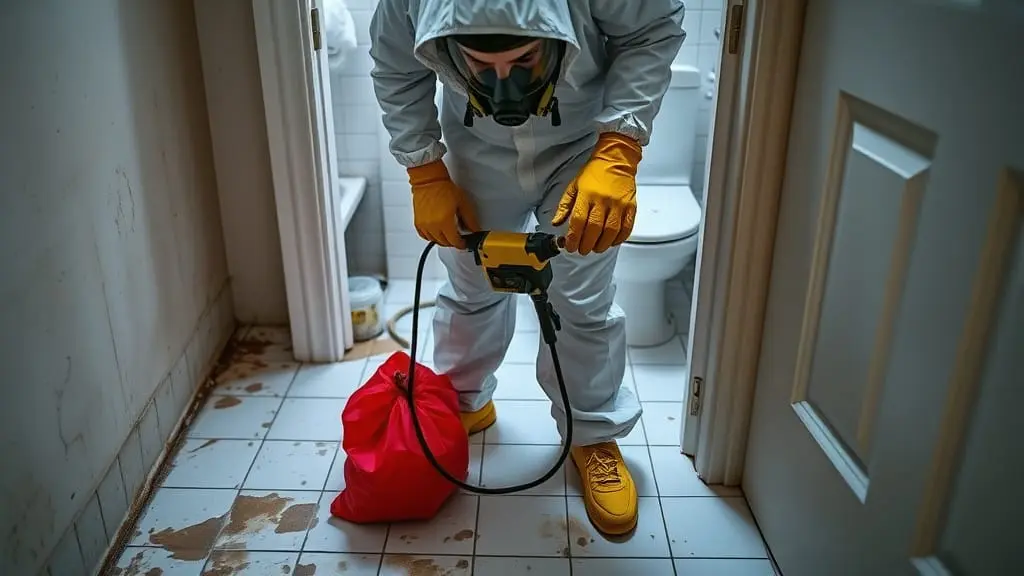
Category 2 water, commonly called "gray water," contains significant levels of contamination that can cause illness if ingested or exposed to skin. Sources include washing machine or dishwasher overflow, toilet overflow with urine but no feces, sump pump failures, and HVAC condensate overflow. Gray water restoration requires more aggressive protocols. Porous materials like carpet padding that have absorbed Category 2 water generally must be removed and discarded. Hard surfaces must be cleaned with antimicrobial solutions. Personal protective equipment is required for anyone entering the affected area.
In Fort Worth's climate, Category 2 water can degrade to Category 3 rapidly, sometimes within as little as 12 hours in warm conditions. This is another reason why immediate professional response is critical.
Category 3: Black Water
Category 3 water is grossly contaminated and contains pathogenic agents that can cause serious illness or death. This is the most dangerous and expensive category to remediate. Sources include sewage backups, river or creek flooding (common along Fort Worth's Trinity River watershed), storm surge, standing water that has been stagnant for extended periods, and any Category 1 or 2 water that has deteriorated.
Category 3 restoration requires extensive safety measures. All porous materials contacted by the water must be removed — drywall, insulation, carpet, carpet pad, particleboard, and often hardwood flooring. Structural framing must be treated with professional biocides. Air scrubbers with HEPA filtration must run continuously. Our sewage cleanup teams are specifically trained and equipped for Category 3 events.
How Categories Affect Insurance Claims
The water category significantly impacts your insurance claim. Category 1 events typically have the lowest restoration costs and simplest claims process. Category 2 events cost more due to material removal and antimicrobial treatments. Category 3 events are the most expensive and complex, often requiring the most extensive documentation.
It is critical that your restoration company accurately documents the water category from the beginning. If the category is misidentified (for example, calling Category 2 water "clean" to reduce costs), and health issues or mold develop later, your insurer may deny follow-up claims. Professional restoration companies use testing and source identification to correctly categorize the water and document it thoroughly.
Protecting Your Fort Worth Family
Regardless of the category, keep your family away from water-damaged areas until a professional assessment is complete. Even Category 1 water can deteriorate quickly, and what looks like clean water may not be. Children and pets are especially curious and vulnerable — keep them completely away from any standing water or damp areas.
At 2 Brothers Restoration, we assess and document water categories at every Fort Worth job using IICRC S500 standards. This ensures the right restoration protocols are used from the start, protecting your family and supporting your insurance claim. Contact us for immediate assessment, or learn more about our restoration process and review our FAQ page for more details about water categories and their impact on restoration.
Get Priority Response
Step 1 of 3Have an Emergency?
Do not let water damage sit. We are available 24/7 to take your call.
(817) 607-3264