
Sump Pump Maintenance: A Seasonal Checklist
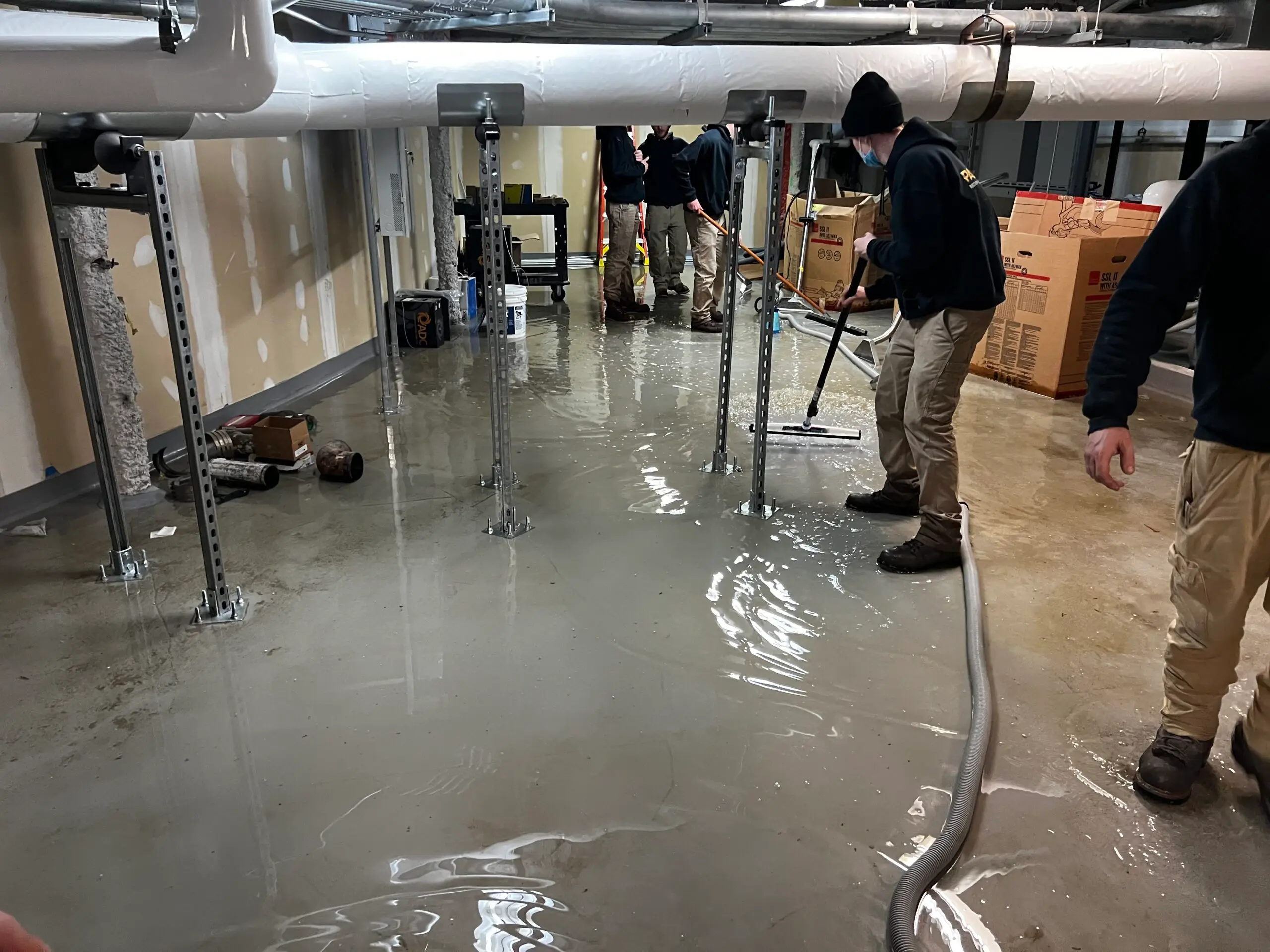
Your Sump Pump: The Unsung Hero of Flood Prevention
If your Fort Worth area home has a sump pump, it exists for one critical reason: to keep water out of your basement or crawl space when the ground becomes saturated. During heavy rainstorms, rising water tables, or rapid snowmelt, groundwater can push up through your foundation and flood lower-level spaces. The sump pump collects this water in a basin and pumps it away from your home before it can cause damage.
The problem is that most homeowners forget about their sump pump until it fails, and it almost always fails at the worst possible time, during the heaviest rain of the year. A failed sump pump during a major storm can result in severe flood damage that costs thousands of dollars to remediate. Regular maintenance ensures your pump works reliably when conditions are at their worst.
Spring Maintenance (March - April)
Spring is the most critical maintenance window for your sump pump because North Texas receives the bulk of its annual rainfall between March and June. Severe thunderstorms can dump multiple inches of rain in a short period, overwhelming drainage systems and saturating the soil around your foundation.
Full Function Test
Pour five gallons of water slowly into the sump pit until the float switch activates and the pump kicks on. Watch the entire cycle. The pump should start automatically, discharge the water through the drain line, and shut itself off when the basin is empty. If the pump runs but does not shut off, the float switch may be stuck or defective. If it does not start at all, check the power connection and the circuit breaker.
Inspect the Discharge Line
Follow the discharge pipe from the pump to where it exits your home. Make sure the exit point is clear of debris, dirt, leaves, or ice buildup from winter. The discharge should empty at least six feet from your foundation and on a downward slope so water does not flow back toward the house. A clogged or frozen discharge line renders your pump useless, as the water has nowhere to go.
Clean the Sump Pit
Over time, sediment, gravel, and debris accumulate in the sump basin. This debris can clog the pump intake or jam the float switch in the wrong position. Remove the pump from the pit, clean out any accumulated debris, and wipe down the pump housing. Check the intake screen or grate and clear any obstructions.
Test the Check Valve
The check valve prevents water in the discharge pipe from flowing back into the sump pit after the pump shuts off. A failed check valve means the pump has to re-pump the same water repeatedly, shortening its lifespan and potentially causing it to overheat. Listen for a rush of water falling back into the pit after the pump turns off. If you hear it, the check valve needs replacement.
Summer Maintenance (June - July)
Summer in North Texas brings intense heat, but also sudden severe thunderstorms that can produce flash flooding. Your sump pump needs to be ready for these events.
Battery Backup Check
If your sump pump has a battery backup system, summer is the time to test it. Unplug the primary pump from the wall outlet and pour water into the pit to trigger the backup pump. The backup should activate and remove the water. Replace the backup battery every two to three years, or according to the manufacturer's recommendation. Many backup batteries use sealed lead-acid cells that degrade over time regardless of use.
Power Supply Verification
Severe storms frequently cause power outages in the Fort Worth area, and that is precisely when your sump pump is needed most. Make sure your sump pump is on a dedicated circuit that is not shared with other heavy-draw appliances. Consider installing a whole-house generator or at minimum a battery backup sump pump system to maintain protection during outages.
Alarm System Test
If your sump pump has a high-water alarm, test it by raising the water level in the pit above the normal activation point. The alarm should sound clearly and be loud enough to hear from your main living areas. If the alarm is weak or does not activate, replace the batteries or the alarm unit itself.
Fall Maintenance (September - October)
Fall maintenance prepares your sump pump for the winter freeze season and the occasional heavy autumn rains that North Texas experiences.
Inspect the Pit Cover
If your sump pit has a cover, make sure it fits securely and is free of cracks. The cover keeps debris, insects, and radon gas from entering your living space. A missing or ill-fitting cover also allows humid air to enter the pit, which can cause the pump to rust prematurely.
Verify Drainage Grading
Walk around the exterior of your home and check the grading of the soil against your foundation. Soil should slope away from the house at a rate of at least one inch per foot for the first six feet. Over time, soil settles and the grade can flatten or even reverse, directing water toward your foundation instead of away from it. Add soil where needed to maintain proper drainage.
Clean Gutters and Downspouts
This is connected to sump pump performance because clogged gutters dump water directly against your foundation, increasing the load on your sump pump. Make sure gutters are clear and downspouts are extended well away from the house. Consider installing underground downspout extensions that route water to the street or a dry well.
Winter Maintenance (December - January)
Winter brings unique challenges for sump pump systems in North Texas, including freezing temperatures that can disable discharge lines.
Protect the Discharge Line from Freezing
The discharge line that carries water away from your home is vulnerable to freezing during cold snaps. If the line freezes, water backs up and the pump cannot discharge. Insulate any exposed sections of the discharge line with foam insulation. Some homeowners install a secondary discharge port or freeze guard that allows water to escape at ground level if the main line freezes.
Keep the Area Around the Pump Accessible
Many homeowners store items around their sump pump during winter, especially in basements and utility rooms. Keep at least a three-foot clearance around the pump and pit so you can access it quickly during an emergency and so the float switch is not accidentally obstructed by boxes or storage items.
Run a Mid-Winter Function Test
Even if it has not rained, pour water into the pit in January to confirm the pump still works. Pumps that sit idle for weeks can develop stuck impellers or float switches. Better to discover a problem during a dry period than during a sudden winter rain event.
Signs Your Sump Pump Needs Replacement
Even with perfect maintenance, sump pumps do not last forever. Most residential sump pumps have a lifespan of 7 to 10 years. Replace your pump if you notice any of these warning signs:
- The pump runs continuously or cycles on and off rapidly
- Strange noises such as grinding, rattling, or humming
- Visible rust on the housing or discharge pipe
- The pump struggles to keep up with normal water volumes
- The pump is more than 10 years old regardless of condition
- Frequent tripping of the circuit breaker
When Your Sump Pump Fails
If your sump pump fails during a storm and water begins entering your basement or crawl space, call 2 Brothers Restoration immediately at (817) 607-3264. Our emergency water extraction team can be on site within 1 hour to begin removing water and deploying industrial drying equipment. The faster we respond, the more we can save. Every hour that standing water remains increases the risk of structural damage, mold growth, and contamination, especially if the flooding involves sewage backup.
We serve homeowners throughout Fort Worth, Arlington, Keller, Southlake, and the entire North Texas metroplex with 24/7 emergency flood damage cleanup services.
Get Priority Response
Step 1 of 3Have an Emergency?
Do not let water damage sit. We are available 24/7 to take your call.
(817) 607-3264