
How to Spot Plumbing Problems Before They Cause Water Damage
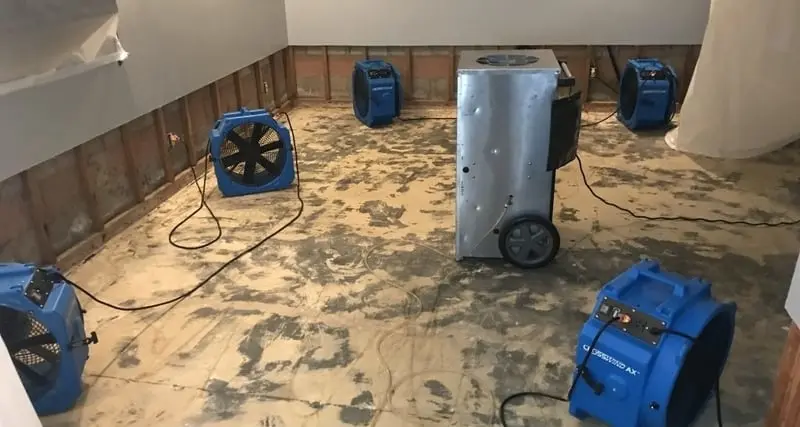
Small Leaks Cause Big Damage
In our years of providing water damage restoration throughout the Fort Worth area, we have seen a consistent pattern: the vast majority of major water damage events did not start as emergencies. They started as small, easily fixable plumbing problems that were ignored or overlooked until they escalated into something far more destructive and expensive.
A dripping faucet wastes water, but it rarely causes structural damage. A slow leak under a sink, inside a wall, or beneath a slab, however, can silently rot your subfloor, breed mold behind your drywall, and compromise the structural integrity of your home over weeks and months. Learning to spot the early warning signs of plumbing failure gives you the chance to fix a $200 problem before it becomes a $20,000 one.
Warning Sign 1: Unexplained Water Bill Increases
Your water bill is one of the most reliable indicators of a hidden leak. If your usage habits have not changed but your bill has increased by 15 percent or more, water is escaping somewhere in your system. North Texas homes are particularly susceptible to slab leaks, where the copper or PEX supply lines running beneath the concrete foundation develop cracks due to soil shifting and mineral corrosion.
To check for a hidden leak, locate your water meter, which is usually in a box near the curb. Make sure no water is running inside or outside your home, then watch the meter for five minutes. If the dial or digital indicator is still moving, you have an active leak. Some meters have a small triangle or flow indicator specifically designed to detect low-flow leaks.
Warning Sign 2: Discoloration on Walls and Ceilings
Brown or yellowish stains on walls or ceilings are almost always caused by water. These stains indicate that water is leaking from a pipe, fixture, or roof penetration above or behind the stained area and has been doing so long enough to discolor the drywall or plaster.
Do not make the mistake of simply painting over a water stain. The stain is a symptom of an active leak. Locate and fix the source of the water first, then repair the drywall. If you notice a stain that is growing in size, wet to the touch, or accompanied by a musty smell, the leak is active and may require immediate professional intervention to prevent mold growth.
Warning Sign 3: Musty or Moldy Odors
A persistent musty smell in a specific room or area of your home is one of the most reliable indicators of hidden water damage and mold growth. Mold requires moisture to grow, so if you can smell it, there is a water source feeding it somewhere. Common locations include behind bathroom walls, under kitchen sinks, around toilet bases, and in laundry rooms.
Do not assume air fresheners or cleaning will solve the problem. The smell will return because the underlying moisture source is still active. A professional inspection with moisture meters and thermal imaging can locate the hidden water source without tearing open your walls unnecessarily.
Warning Sign 4: Slow Drains Throughout the House
A single slow drain is usually a localized clog that can be cleared with a drain snake. However, if multiple drains in your home are running slowly at the same time, you may have a developing blockage in your main sewer line. Tree root intrusion, grease buildup, and pipe deterioration are the most common causes of main line blockages in Fort Worth homes.
A complete sewer line blockage can cause raw sewage to back up into your home through floor drains, toilets, and bathtub drains. This is a Category 3 water damage event that poses serious health risks and requires professional sewage cleanup. If you notice multiple slow drains, have a plumber inspect your main line with a camera before the problem becomes a full backup.
Warning Sign 5: Low Water Pressure
A sudden drop in water pressure can indicate a major leak in your supply line or a partially closed valve somewhere in your system. If the pressure drop affects the entire house, the problem is likely in the main supply line or at the meter. If it affects only one fixture, the issue is more localized, possibly a corroded supply line or a failing shut-off valve.
Gradual pressure loss over time can indicate mineral buildup inside galvanized steel pipes, which were common in Fort Worth homes built before the 1980s. As the interior diameter of these pipes narrows from corrosion and scale, water pressure decreases. Eventually, these corroded pipes will develop pinhole leaks that can cause significant water damage inside walls.
Warning Sign 6: Running Toilet
A toilet that runs intermittently or continuously is more than an annoyance. It wastes hundreds of gallons of water per day and can indicate a problem with the flapper valve, fill valve, or overflow tube. In most cases, the fix is a $10 part and a 15-minute repair. However, if ignored, a malfunctioning toilet can also contribute to water damage if the supply line or wax ring seal begins to fail.
While you are inspecting your toilet, check the base for any signs of water pooling or discoloration on the floor. A failed wax ring seal allows water to leak from the base of the toilet with every flush, rotting the subfloor underneath. This damage is often invisible until the floor around the toilet feels soft or spongy.
Warning Sign 7: Visible Corrosion on Pipes
Inspect the visible pipes in your home, including under sinks, in the garage, and near the water heater. Look for green deposits on copper pipes (verdigris), white crusty buildup on galvanized pipes, or orange rust on any metal fittings. Corrosion weakens pipes and is a precursor to pinhole leaks and joint failures.
Pay special attention to the connections where different metals meet, such as where a copper pipe connects to a galvanized fitting. This creates galvanic corrosion, an electrochemical reaction that accelerates deterioration at the junction point. These connections should be made with dielectric unions to prevent this reaction.
Warning Sign 8: Warm Spots on the Floor
If you notice an unexplained warm spot on a tile or concrete floor, you may have a hot water slab leak. The hot water line running beneath your foundation has developed a crack, and hot water is leaking into the soil and warming the concrete above it. Slab leaks are among the most expensive plumbing repairs, but catching them early can prevent the water from migrating to areas where it causes structural damage and mold growth.
Other signs of a slab leak include the sound of running water when all fixtures are off, cracks in the foundation or walls, and areas of the yard that are unusually green or soggy near the foundation.
Warning Sign 9: Water Heater Issues
Your water heater shows several warning signs before failing catastrophically. Watch for rusty water coming from the hot water tap, rumbling or popping sounds from the tank (caused by sediment buildup), moisture or puddles around the base of the unit, and a tank that is more than 10 years old. A water heater rupture can release 40 to 80 gallons of water into your home in minutes.
Warning Sign 10: Cracks Around Plumbing Penetrations
Where pipes pass through walls, floors, and ceilings, check for gaps or cracks in the surrounding material. These penetrations are common failure points because the pipe and the surrounding structure expand and contract at different rates. Over time, seals break down and allow water to travel along the outside of the pipe into wall cavities and floor joists.
Caulk around all plumbing penetrations in wet areas, especially in bathrooms and kitchens. Use silicone caulk, which remains flexible and waterproof far longer than acrylic caulk.
Take Action Before It Is Too Late
If you have identified any of these warning signs in your home, do not wait for the problem to escalate. A proactive plumbing repair is always less expensive and disruptive than emergency water damage restoration. However, if a plumbing failure does occur, 2 Brothers Restoration is here for you around the clock. Call us at (817) 607-3264 for immediate response throughout the Fort Worth metroplex. We specialize in burst pipe cleanup, flood damage remediation, and complete structural drying to get your home back to normal as fast as possible.
Get Priority Response
Step 1 of 3Have an Emergency?
Do not let water damage sit. We are available 24/7 to take your call.
(817) 607-3264