
How to Shut Off Your Water Main in an Emergency
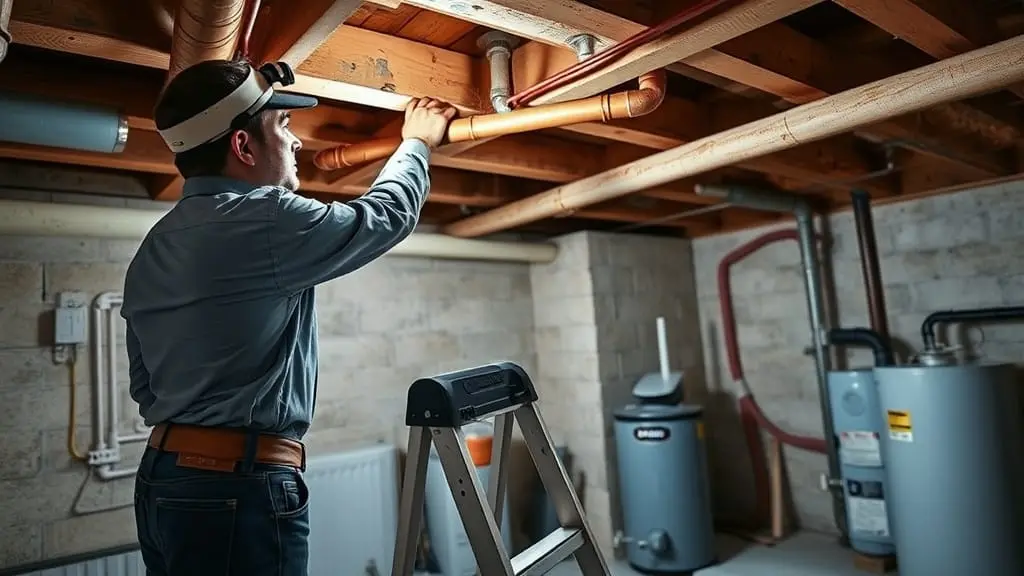
How to Shut Off Your Water Main in an Emergency
When a pipe bursts or a plumbing fixture fails catastrophically, every second that water continues flowing into your home adds to the damage. The ability to shut off your water main quickly is arguably the single most important thing a homeowner can do to minimize water damage. Yet in our years of responding to water emergencies across the Fort Worth area, we find that a surprising number of homeowners have never located their main shut-off valve, let alone practiced operating it.
This guide will walk you through finding your shut-off valve, understanding what type you have, how to operate it, and what to do if it fails. Take ten minutes to read this article and then locate your valve today. The time you invest now could save you tens of thousands of dollars in an emergency.
Why Speed Matters
To put the urgency in perspective, consider these numbers. A standard half-inch supply pipe at 50 psi delivers approximately 7 gallons per minute. That is 420 gallons per hour and over 10,000 gallons in a single day. Even a small pinhole leak in a supply line can release 1 to 2 gallons per hour, which translates to 24 to 48 gallons per day soaking into your walls, floors, and substructure. A burst pipe can flood an entire room with several inches of water within an hour.
The difference between shutting off the water in two minutes versus twenty minutes can be the difference between wet carpet that can be dried and saturated subfloor that must be torn out and replaced.
Where to Find Your Main Water Shut-Off Valve
The location of your main shut-off valve depends on your home's age, construction type, and where the water line enters the property. Here are the most common locations in Fort Worth area homes:
Garage wall near the front of the house. In many Texas homes built from the 1970s onward, the main shut-off valve is located on the interior wall of the garage, near the point where the water line enters from the street. Look for a pipe emerging from the wall or floor with a valve handle.
Exterior wall near the hose bib. Some homes have the main shut-off valve on an exterior wall, often near an outdoor faucet. Check around the perimeter of your foundation, particularly the side facing the street.
Utility closet or mechanical room. In some newer homes and most apartments and condos, the shut-off valve is in a dedicated utility closet along with the water heater and other mechanical systems.
Crawl space or basement. Older homes or those with crawl spaces may have the valve underneath the home, near where the main line enters through the foundation wall.
Near the water meter at the street. Every home also has a shut-off valve at the water meter, which is typically located in a rectangular box set into the ground near the curb. This is your backup option if the interior valve fails. Note that in some jurisdictions, the valve on the street side of the meter is technically the water utility's property and may require a special key to operate.
Types of Shut-Off Valves
Understanding what type of valve you have is important because each operates differently.
Gate valve. This is the most common type in older homes. It has a round, wheel-like handle that you turn clockwise to close. Gate valves require multiple full turns to fully close, typically four to six rotations. Important note: gate valves that have not been operated in years can become stuck or may not seal completely due to internal corrosion. Never force a stuck gate valve with pliers or a wrench, as this can break the valve and cause a worse leak.
Ball valve. Increasingly common in newer construction, ball valves have a lever handle. When the handle is parallel to the pipe, the valve is open. Rotate the handle 90 degrees so it is perpendicular to the pipe, and the valve is closed. Ball valves are more reliable than gate valves and close instantly with a quarter turn. If your home has a gate valve, consider having a plumber replace it with a ball valve for faster emergency shutoff.
Compression valve. Sometimes found at the water meter, compression valves look similar to gate valves but have a rectangular handle or no handle at all. These may require a specialized meter key, which is an inexpensive T-shaped tool available at hardware stores, to operate.
How to Shut Off the Water
Follow these steps to shut off your main water supply during an emergency:
- Step 1: Locate the main shut-off valve using the guidance above.
- Step 2: If it is a ball valve, grasp the lever handle and turn it 90 degrees clockwise. The lever should end up perpendicular to the pipe.
- Step 3: If it is a gate valve, turn the round handle clockwise. Keep turning until it stops. Do not over-tighten.
- Step 4: Verify that the water is off by turning on a faucet. The water should slow to a trickle and then stop within 30 to 60 seconds as the pipes drain.
- Step 5: Open several faucets throughout the home and flush toilets to drain residual water from the pipes. This relieves pressure and reduces the amount of water that can continue to leak from the damaged section.
What to Do If the Valve Is Stuck or Broken
If your interior shut-off valve will not turn or does not stop the water flow, you have two backup options.
Shut off at the street meter. Locate the water meter box near the curb in front of your home. Remove the cover, which may require a screwdriver or flat-head tool. Inside, you will find the meter and one or two valves. The valve on the house side of the meter is your shut-off. Use a meter key or adjustable wrench to turn it clockwise until it stops. If you cannot operate this valve, call your water utility provider for an emergency disconnect.
Call your water utility's emergency line. Every water utility has a 24-hour emergency number. They can dispatch a technician to shut off service at the main. While waiting, try to contain the water using buckets, towels, and by directing the flow away from valuable areas of your home.
After Shutting Off the Water
Once the water is off and the immediate crisis is contained, take these follow-up steps:
- Turn off electricity to any areas affected by water, if you have not already done so.
- Document all damage with photos and videos before cleanup begins.
- Call a professional water damage restoration company for emergency water extraction.
- Contact a plumber to repair the source of the leak.
- Notify your homeowners insurance company.
- Begin moving valuable and salvageable items to a dry area.
Preventive Steps to Take Right Now
Do not wait for an emergency to discover that you cannot find or operate your shut-off valve. Take these steps today:
Locate your valve now. Walk through your home and find the main shut-off valve. If you cannot find it, call a plumber to help you locate it. Some homes have been remodeled in ways that conceal the valve behind walls or under flooring, and a plumber can help you create accessible access.
Test the valve. Turn the valve off and on to make sure it operates smoothly. If it is stiff, do not force it. Have a plumber service or replace it. A valve that works perfectly when gently tested may seize completely when you try to close it quickly during a panicked emergency.
Label the valve. Attach a bright tag or label to the valve and the pipe so any family member can identify it instantly. In an emergency, even family members who have been shown the valve location may struggle to find it in a panicked state, especially if the area is dark or partially flooded.
Teach every adult in the household. Make sure everyone who lives in your home knows where the valve is and how to operate it. Walk them through the process at least once. This is especially important if you travel frequently or are sometimes away from home.
Keep a meter key accessible. Purchase an inexpensive water meter key from a hardware store and keep it in a known location, such as hanging on a hook in the garage. This gives you a backup shut-off option if the interior valve fails.
Consider a smart shut-off system. Automated water shut-off systems use flow sensors to detect abnormal water usage patterns and can close a motorized valve automatically. These systems can stop a flood even when you are not home, and some models send alerts to your phone so you know immediately when a problem is detected.
Taking these simple preventive steps costs almost nothing and takes less than an hour. The payoff, when you can shut off your water in seconds rather than minutes during an emergency, can be the difference between a minor inconvenience and a devastating flood.
Get Priority Response
Step 1 of 3Have an Emergency?
Do not let water damage sit. We are available 24/7 to take your call.
(817) 607-3264