
Sewage Backup Cleanup in Fort Worth: Health Risks and Safety Guide
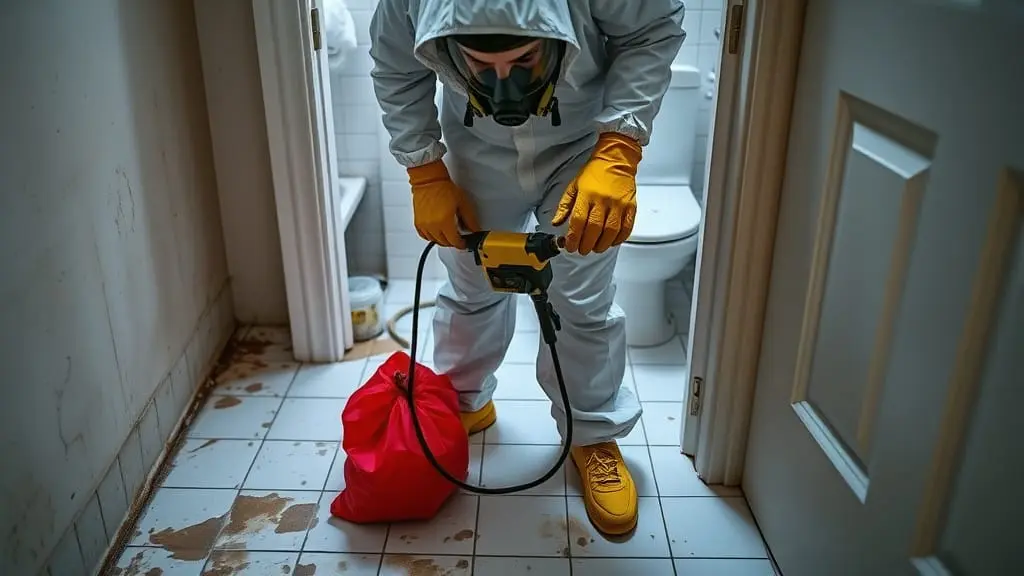
The Hidden Dangers of Sewage Backups
A sewage backup is one of the most hazardous types of water damage a Fort Worth homeowner can face. Unlike a clean water pipe burst, sewage contains dangerous bacteria, viruses, parasites, and other pathogens that pose immediate health risks to anyone exposed. The Centers for Disease Control classifies sewage as a biohazard, and handling it without proper training and equipment can lead to serious illness.
Fort Worth's aging sewer infrastructure, combined with the city's rapid growth, makes sewage backups more common than many homeowners realize. Tree root intrusion, grease buildup, and overwhelmed sewer lines during heavy rains are the most frequent causes in the Fort Worth area.
Health Risks of Sewage Exposure
Raw sewage can contain E. coli, salmonella, hepatitis A, giardia, cryptosporidium, and numerous other pathogens. Exposure can occur through direct skin contact, ingestion (even from touching contaminated surfaces and then touching your face), and inhalation of airborne bacteria and gases like hydrogen sulfide and methane.
Symptoms of sewage exposure range from mild gastrointestinal distress to severe infections requiring hospitalization. Children, elderly family members, pregnant women, and anyone with a compromised immune system are especially vulnerable. If anyone in your household shows symptoms after a sewage event — including nausea, vomiting, fever, or respiratory distress — seek medical attention immediately.
Immediate Safety Steps During a Sewage Backup
If sewage backs up into your Fort Worth home, evacuate the affected area immediately. Do not allow children or pets near the contaminated zone. Turn off the HVAC system to prevent airborne contamination from spreading through ductwork. If you must enter the affected area, wear rubber boots, waterproof gloves, eye protection, and an N95 respirator mask at minimum.
Do not use any plumbing fixtures until the backup source is identified and resolved. Do not eat or drink anything that may have been in contact with the contaminated area. Wash your hands thoroughly with antibacterial soap and warm water after any potential contact.
Why Professional Cleanup Is Not Optional
Sewage cleanup is not a DIY project under any circumstances. Professional sewage cleanup teams have the training, equipment, and personal protective gear to handle biohazardous materials safely. The cleanup process involves complete extraction of all contaminated water, removal and disposal of porous materials that contacted sewage (carpet, pad, drywall, insulation), antimicrobial treatment of all affected hard surfaces, thorough structural drying with industrial equipment, air scrubbing with HEPA filtration to remove airborne contaminants, and post-cleanup testing to verify the environment is safe.
Bleach and household cleaners are completely inadequate for sewage decontamination. Professional-grade biocides and antimicrobials are required to kill the full spectrum of pathogens present in raw sewage.
Insurance Coverage for Sewage Backups
Standard homeowner's insurance in Texas does not automatically cover sewage backups. You need a specific sewer and drain backup endorsement, which is typically available for a modest additional premium. If you do not currently have this endorsement, contact your insurance agent today to add it. Given the frequency of sewage events in the Fort Worth area, this coverage is well worth the cost.
If you do have coverage, our team at 2 Brothers Restoration works directly with your insurance company to ensure proper documentation and billing. We use industry-standard pricing and provide the detailed reports that adjusters require.
Preventing Future Sewage Backups
Take proactive steps to reduce your risk. Install a backwater prevention valve on your sewer lateral — this is one of the most effective preventive measures available. Have your sewer line camera-inspected every few years to check for root intrusion or deterioration. Avoid pouring grease down drains, and do not flush anything other than toilet paper. If your Fort Worth home has mature trees near the sewer line, consider regular root treatment.
If you experience a sewage backup, do not hesitate — contact 2 Brothers Restoration immediately for professional, safe cleanup. We respond 24/7 to sewage emergencies across Fort Worth and the Fort Worth metro area. Your family's health is too important to risk with a DIY approach. Visit our FAQ page for more information about sewage cleanup procedures.
Get Priority Response
Step 1 of 3Have an Emergency?
Do not let water damage sit. We are available 24/7 to take your call.
(817) 607-3264