
Restoration vs Replacement: Making the Right Call After Water Damage
The Critical Decision Every Fort Worth Homeowner Faces
After water damage, one of the most important decisions you and your restoration company will make is which materials and components to restore in place versus which to remove and replace. This decision affects your total cost, the timeline for getting back to normal, the long-term integrity of your home, and in some cases, your family's health. Making the wrong call in either direction — restoring materials that should be replaced, or replacing materials that could have been saved — costs Fort Worth homeowners thousands of unnecessary dollars every year.
Factors That Determine Restore vs Replace
Several key factors influence this decision for each material in your home. The water category is paramount — materials contacted by Category 1 (clean) water have the best chance of restoration, while Category 3 (black water/sewage) generally requires removal of all porous materials. The duration of exposure matters significantly — materials wet for under 24 hours are far more salvageable than those wet for days.
The type of material itself is also critical. Non-porous materials like tile, concrete, and metal can almost always be cleaned, dried, and restored. Semi-porous materials like hardwood and structural lumber can often be restored with proper drying. Porous materials like carpet pad, particle board, and drywall have more limited restoration potential, depending on the water category and exposure time.
Material-by-Material Guide
Drywall is one of the most common decisions. In Category 1 water events with rapid response, drywall can often be dried in place using cavity drying techniques. However, drywall that has been wet for more than 48 hours, shows visible mold, or was exposed to contaminated water should be cut out and replaced. The standard practice is to cut two feet above the visible water line to ensure all affected material is removed.
Carpet can be restored if exposed to Category 1 water and professionally cleaned within 24 to 48 hours. The carpet pad beneath it, however, is almost always replaced — it absorbs too much water and contamination to reliably clean. Hardwood floors can often be saved through professional drying as we discussed in our article on water damage restoration, but engineered hardwood and laminate have much lower restoration success rates.
Structural framing — wall studs, floor joists, and roof trusses — is almost always restored rather than replaced, even after severe water damage. Solid lumber dries well and can be treated with antimicrobials. Replacement of structural components is typically only necessary when wood has been wet long enough to develop rot, which usually takes weeks to months.
When Restoration Is the Smart Choice
Restoration is preferred when the materials are structurally sound and can be returned to pre-loss condition, when the cost of restoration is significantly less than replacement, when the materials have character or value that cannot be replicated (like original hardwood floors in an older Fort Worth home), when restoration can be completed within the overall project timeline, and when the water category and exposure time fall within safe limits for the material type.
When Replacement Is Necessary
Replacement is the right call when materials have been exposed to Category 3 water and are porous, when mold growth has penetrated into the material, when structural integrity has been compromised, when the cost difference between restoration and replacement is minimal, when building codes require specific materials or standards that the existing materials do not meet, and when the homeowner wants to upgrade materials during the rebuild phase.
The Role of Professional Assessment
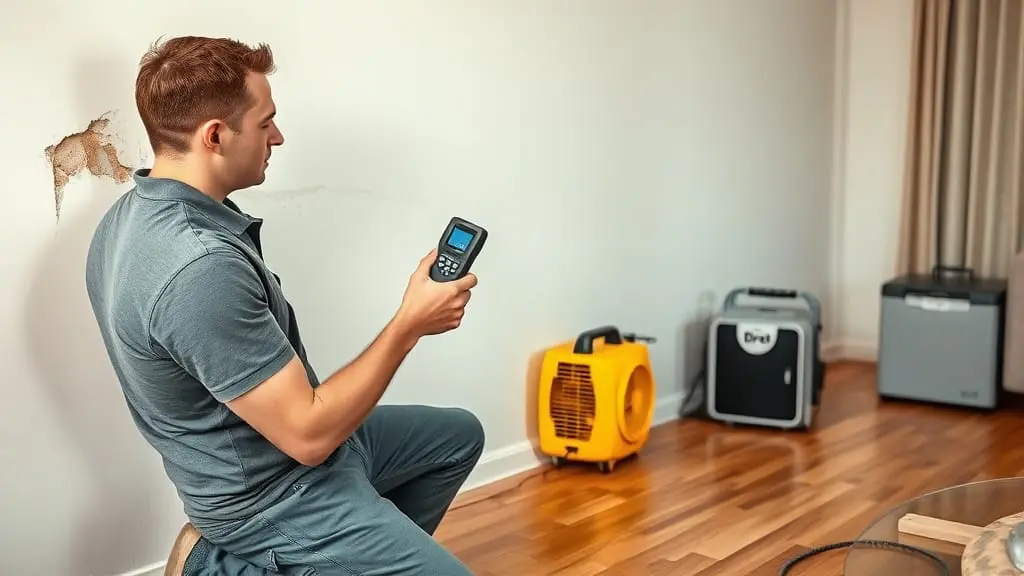
Accurate restore-or-replace decisions require professional expertise and proper testing equipment. Moisture meters determine whether materials have dried to safe levels. Mold testing can reveal contamination not visible to the naked eye. Structural assessments identify compromised load-bearing elements. At 2 Brothers Restoration, we make these assessments based on science, IICRC standards, and years of Fort Worth experience — not on a desire to inflate or minimize the project scope.
If your Fort Worth home has suffered water damage, contact 2 Brothers Restoration for an honest, thorough assessment. We will tell you exactly what needs to be replaced and what can be saved, supported by moisture readings and documentation for your insurance claim. Learn more about our approach on our process page or check our FAQ page.
Get Priority Response
Step 1 of 3Have an Emergency?
Do not let water damage sit. We are available 24/7 to take your call.
(817) 607-3264