
How North Texas Weather Patterns Affect Your Home Water Risk
North Texas Has One of the Most Extreme Climates in the Country
The Fort Worth area sits in one of the most climatically volatile regions in the United States. The collision of warm Gulf moisture, dry desert air from the west, and cold arctic air from the north creates a weather pattern that swings between extremes with little warning. Temperatures can vary by 50 degrees in a single 24-hour period. Annual rainfall can range from 20 inches in a drought year to over 50 inches in a wet year. This extreme variability creates unique and compounding water damage risks that homeowners in other parts of the country simply do not face.
At 2 Brothers Restoration, we have built our entire operation around the specific challenges of North Texas weather. Understanding how these weather patterns affect your home is the first step toward protecting it.
The Flash Flood Factor
Fort Worth and the surrounding metroplex are highly susceptible to flash flooding for several interconnected reasons. First, North Texas thunderstorms are capable of producing extraordinary rainfall rates. It is not unusual for a single storm cell to drop three to five inches of rain in under an hour. Second, the region's clay soil is nearly impermeable when dry, meaning rainwater runs off the surface rather than soaking into the ground. Third, the rapid urbanization of the Fort Worth metroplex has replaced millions of acres of permeable prairie grass with concrete, asphalt, and rooftops that generate massive volumes of runoff.
The result is that even areas not designated as flood zones can experience sudden, severe flooding during intense storm events. We have performed flood damage cleanup in neighborhoods that had never flooded before, simply because a storm dropped an unprecedented amount of rain in an unusually short period. The lesson for homeowners is that flood risk in North Texas is not limited to creek banks and low-lying areas. Any property can be affected under the right conditions.
How to Prepare
Know the drainage patterns around your home. Watch where water flows during a heavy rain. If water pools against your foundation or floods your driveway, those are problems that need to be addressed with grading improvements, French drains, or other drainage solutions. Consider flood insurance even if you are not in a designated flood zone. Standard homeowner's insurance does not cover rising water from outside your home.
The Expansive Clay Soil Problem
The soils beneath most Fort Worth area homes are classified as expansive clay, which means they swell significantly when wet and shrink when dry. This cycle of expansion and contraction puts constant stress on your home's foundation, and the effects go far beyond cosmetic cracks in walls.
During drought periods, the clay soil can shrink by several inches, pulling away from the foundation and creating gaps and voids. When heavy rains return, water fills these gaps and has direct access to the foundation. The soil then swells, pushing against the foundation with enormous force and potentially causing it to shift, crack, or heave. These foundation movements stress plumbing lines that run beneath the slab, creating leaks that go undetected until significant damage has occurred.
Slab leaks caused by soil movement are one of the most common and expensive water damage situations we encounter in the Fort Worth area. The combination of a leaking pipe beneath a concrete slab, the moisture-retaining clay soil, and the enclosed environment beneath the home creates ideal conditions for mold growth and structural deterioration. By the time a homeowner notices wet spots on their floor or an increase in their water bill, the damage can be extensive.
How to Prepare
Maintain consistent moisture levels around your foundation year-round. During summer drought, use soaker hoses around the perimeter of your home to prevent the soil from pulling away. During wet periods, ensure drainage carries water away from the foundation. Monitor your water bill for unexplained increases, which can indicate a slab leak. If you notice new cracks in walls, sticking doors, or uneven floors, have both your foundation and your plumbing inspected promptly.
Severe Thunderstorm and Hail Damage
Fort Worth sits in what meteorologists call "Hail Alley," a region stretching from central Texas to southern Nebraska that experiences the highest frequency of large hail in the world. Hailstones the size of golf balls and larger are not unusual during spring and early summer thunderstorms, and they can cause devastating damage to roofing materials, siding, windows, and outdoor HVAC equipment.
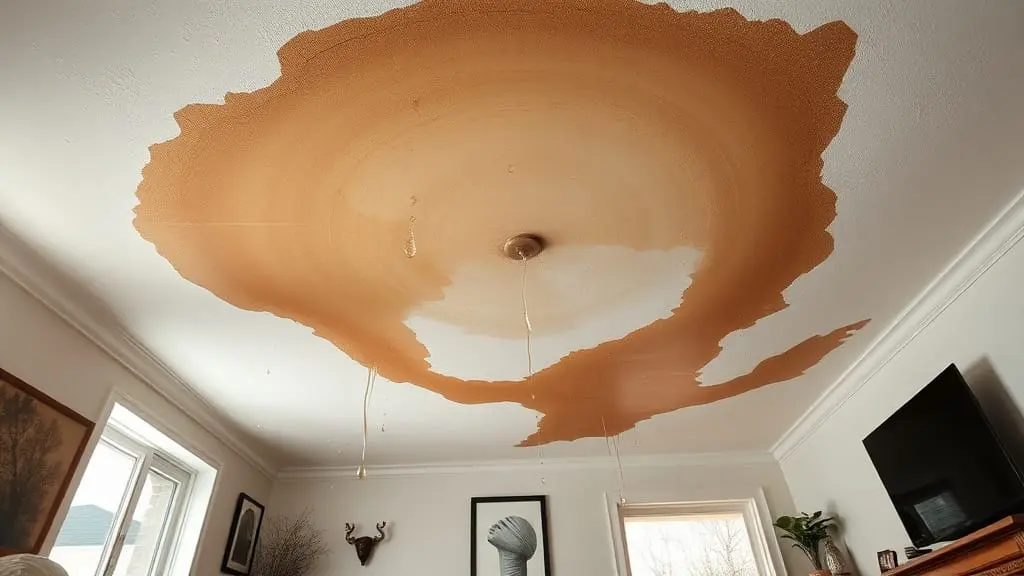
The water damage risk from hail is often delayed. A hailstorm cracks or dislodges shingles, but the actual water intrusion does not occur until the next rainstorm, which could be days or weeks later. By that point, the homeowner may not connect the water stain on their ceiling to the hailstorm from the previous month. Meanwhile, water has been soaking into the roof decking, insulation, and wall cavities, creating conditions for mold growth and structural decay.
Wind damage from severe thunderstorms creates similar delayed water intrusion risks. High winds can lift shingle edges, break sealant bonds, and push rain horizontally into areas that are normally protected from vertical rainfall. Our storm damage restoration team frequently responds to water damage that originated from wind-driven rain entering through compromised roof edges, soffits, and window seals.
How to Prepare
Have your roof inspected after every significant hailstorm, even if you do not see obvious damage from the ground. Many roofing companies offer free storm damage inspections. Check your attic after storms for signs of daylight, water stains, or damp insulation. File insurance claims for hail damage promptly, as many policies have time limits for reporting storm damage.
Freeze Events and the Polar Vortex Effect
Climate scientists have noted that the weakening of the polar vortex has led to more frequent and more severe arctic air intrusions into the southern United States. The February 2021 event was the most dramatic example, but smaller freeze events occur multiple times each winter and can cause significant water damage through burst pipes and ice formation.
The fundamental problem in North Texas is that homes, infrastructure, and plumbing systems were historically designed for a mild winter climate. Water lines are often routed through uninsulated attics and exterior walls. Outdoor plumbing is rarely winterized. Many homes lack adequate attic insulation to prevent ice dam formation during extended freezes.
The freeze-thaw cycle is particularly damaging. When temperatures drop below freezing overnight but rise above freezing during the day, water repeatedly freezes and thaws inside cracks in roofing materials, flashing, and masonry. Each freeze cycle widens the crack slightly. After several cycles, these small cracks become entry points for water during the next rain event.
How to Prepare
Winterize your plumbing every fall regardless of the forecast. Insulate pipes in the attic, garage, and exterior walls. Upgrade to frost-free outdoor faucets. Consider adding insulation to your attic to prevent ice dam formation. Have a plan for extended power outages, including a generator or a backup location where you can go if your home loses heat during a freeze.
Drought Followed by Deluge
One of the most insidious weather patterns in North Texas is the drought-to-deluge cycle. During prolonged drought, the clay soil shrinks and cracks, creating channels that direct water straight to your foundation when heavy rains finally arrive. The soil cannot absorb the water quickly enough because it has become nearly as hard as concrete during the dry period. Meanwhile, the foundation itself may have shifted during the drought, opening new pathways for water to enter.
This pattern is particularly harmful because it compounds two damage mechanisms simultaneously. The foundation movement cracks pipes and compromises the building envelope, and then the heavy rains exploit every new vulnerability at once. We have seen homes that survived years of storms suffer catastrophic water damage after a drought-to-deluge transition because the drought created weaknesses that had never existed before.
Protecting Your Home in an Extreme Climate
Living in North Texas means accepting that your home faces a wider range of water damage threats than homes in most other parts of the country. The good news is that awareness and preparation make an enormous difference. Regular maintenance, strategic upgrades like pipe insulation and foundation watering, and prompt repair of small problems before they become large ones can prevent most weather-related water damage.
When prevention is not enough and North Texas weather overwhelms your defenses, 2 Brothers Restoration is here to help. We provide 24/7 emergency response for water damage restoration, flood damage cleanup, emergency water extraction, and storm damage repair throughout Fort Worth, Arlington, Keller, Southlake, North Richland Hills, and all surrounding communities. Call (817) 607-3264 any time, day or night. We will be there within 1 hour to protect your home from further damage.
Get Priority Response
Step 1 of 3Have an Emergency?
Do not let water damage sit. We are available 24/7 to take your call.
(817) 607-3264