
Is Water Damage an Emergency? When to Call a Professional
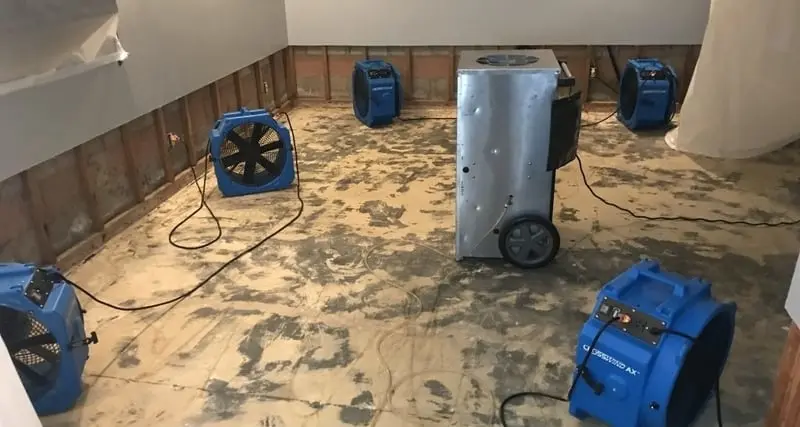
Is Water Damage an Emergency? When to Call a Professional
You notice a damp spot on the ceiling, a musty smell in the bathroom, or a small puddle near the water heater. Is this an emergency that requires an immediate phone call, or can it wait until Monday? It is a question that homeowners face regularly, and the answer can mean the difference between a minor repair and a major restoration project. As water damage restoration experts, we want to help you make that call with confidence.
The short answer is that most water damage situations are more urgent than they appear. However, understanding the different categories and scenarios will help you respond appropriately to each one.
When Water Damage Is Definitely an Emergency
Certain water damage situations require an immediate response, meaning you should call a professional right away, regardless of the time of day. These scenarios involve significant water volume, contamination risks, or safety hazards that worsen rapidly.
Active flooding from any source. If water is actively flowing into your home from a burst pipe, failed appliance, sewer backup, or storm event, this is an emergency. Shut off the water source if possible, turn off electricity to affected areas, and call for professional help immediately. Active flooding can cause thousands of dollars in additional damage for every hour it continues.
Sewage backup. Any situation involving sewage contamination is an immediate health emergency. Sewage contains dangerous bacteria, viruses, and parasites. Do not attempt to clean it up yourself. Evacuate the affected area and call a restoration company with biohazard training. The health risks of exposure to raw sewage, especially for children, elderly individuals, and those with compromised immune systems, are too serious to delay.
Water near electrical systems. If water has reached your electrical panel, outlets, or major appliances, the electrocution risk makes this an emergency. Do not enter standing water in a room where electrical systems may be energized. Call your utility company to disconnect power, and then call a restoration professional.
Structural compromise. If you see a ceiling sagging or bulging from water weight, walls that are soft and buckling, or floors that are noticeably warping, the structural integrity of your home may be compromised. A water-saturated ceiling can collapse without warning, posing a serious injury risk. This requires immediate professional assessment.
When Water Damage Is Urgent but Not Immediately Life-Threatening
Some water damage situations are not immediately dangerous but still require prompt professional attention, ideally within the same day. Delaying beyond 24 hours in these scenarios significantly increases the risk of mold growth and secondary damage.
Water heater leaks. A leaking water heater may be releasing only a few gallons at a time, but the continuous nature of the leak means damage is ongoing. Shut off the water supply to the heater and the gas or electricity powering it. Then call for help. Water heater failures often involve hot water, which can cause more rapid damage to surrounding materials.
Appliance failures. Washing machine hose ruptures, dishwasher leaks, and refrigerator water line failures are common causes of water damage. If you catch it quickly and the water volume is limited, it may not be life-threatening, but the water still needs to be professionally extracted and dried. These leaks often affect kitchen and laundry room flooring, which sits on subfloor materials that are highly susceptible to moisture damage.
Roof leaks during storms. If storm damage has caused a roof leak, the immediate threat depends on the volume of water entering your home. Place containers under the drip, move valuables away from the affected area, and call a restoration company as soon as the storm passes or immediately if the leak is severe. Attic insulation that becomes saturated can develop mold within days.
Toilet overflow with clean water. A toilet overflow from a tank malfunction involves clean water and is less hazardous than a sewage backup. However, the water can saturate bathroom flooring and seep into subfloor materials or the ceiling of the room below. Stop the water by shutting off the toilet supply valve, clean up standing water, and assess whether professional drying is needed based on the volume and duration of the overflow.
When You Can Assess and Monitor
There are some water damage scenarios where you may have a bit more time to evaluate the situation before calling a professional. However, we strongly recommend erring on the side of caution. When in doubt, call for an assessment. Most reputable restoration companies offer free inspections and will be honest about whether professional intervention is needed.
Minor condensation issues. If you notice condensation on windows, pipes, or toilet tanks, this is not an emergency but should be addressed to prevent long-term moisture damage. Improving ventilation and using a dehumidifier can help. However, if condensation is occurring inside walls or ceilings, it may indicate a more serious problem that warrants professional inspection.
Small, contained drips. A slow drip from a faucet or a very minor supply line weep can often wait for a plumber during business hours, as long as you place a container to catch the water and monitor it. However, any drip that is affecting drywall, wood, or carpet should be addressed promptly because even small amounts of moisture can cause mold growth in concealed spaces.
Old stains discovered during renovation. If you discover old water stains while removing drywall or flooring during a renovation project, the active leak may have already been repaired. Have the area inspected for active moisture and mold before proceeding with the renovation. If the stain is dry and there is no mold present, the situation is not urgent but should be documented.
The Hidden Danger: Water You Cannot See
One of the most challenging aspects of water damage is that the visible evidence often represents only a fraction of the actual damage. Water travels through your home in ways that are not always obvious. It flows along the top of subfloor sheathing, wicks up through drywall, and follows pipe penetrations through multiple floors. A small water stain on a first-floor ceiling can indicate significant water accumulation in the floor structure above.
This is why professional moisture assessment is so valuable even for seemingly minor water damage. Restoration professionals use moisture meters that can measure the water content of materials through drywall and flooring surfaces, and thermal imaging cameras that can visualize temperature differences caused by evaporating moisture behind walls. These tools reveal hidden water damage that would otherwise go undetected until mold or structural problems develop weeks or months later.
The Cost of Waiting
Homeowners often hesitate to call a restoration company because they are concerned about cost. This is understandable but often counterproductive. The cost of professional water damage restoration increases dramatically with delay. A same-day response for a moderate water event might cost a few thousand dollars for extraction and drying. The same event left untreated for a week could require ten thousand dollars or more in demolition, mold remediation, and reconstruction.
Most homeowners insurance policies cover sudden and accidental water damage, including the cost of professional restoration. However, insurers expect you to take reasonable steps to mitigate the damage, which includes calling a professional promptly. Delayed response can give an insurer grounds to reduce your claim payout.
Questions to Ask Yourself
When you discover water damage and are unsure whether to call a professional, ask yourself these questions:
- Is there standing water or an active leak? If yes, it is an emergency.
- Has the water been in contact with electrical systems? If yes, it is an emergency.
- Could the water be contaminated with sewage or chemicals? If yes, it is an emergency.
- Has carpet, drywall, or wood been wet for more than 24 hours? If yes, call a professional today.
- Is the affected area larger than a few square feet? If yes, call a professional today.
- Can you smell a musty or damp odor? If yes, there may be hidden moisture requiring professional assessment.
- Are you unsure about the source of the water? If yes, professional diagnosis is warranted.
Making the Call
If you are reading this article because you are currently dealing with water damage, our advice is simple: call a professional. A reputable water damage restoration company will provide an honest assessment and will not pressure you into unnecessary services. The peace of mind alone is worth the phone call, and in many cases, early professional intervention saves you significant money compared to the cost of delayed repairs.
At 2 Brothers Restoration, we provide free emergency assessments 24 hours a day, 7 days a week. Our technicians will evaluate the situation, explain your options clearly, and help you understand what your insurance covers. Whether it turns out to be a minor issue or a major emergency, you will have the information you need to make the right decision for your home and family.
Get Priority Response
Step 1 of 3Have an Emergency?
Do not let water damage sit. We are available 24/7 to take your call.
(817) 607-3264