
Does Homeowners Insurance Cover Water Damage? A Complete Guide
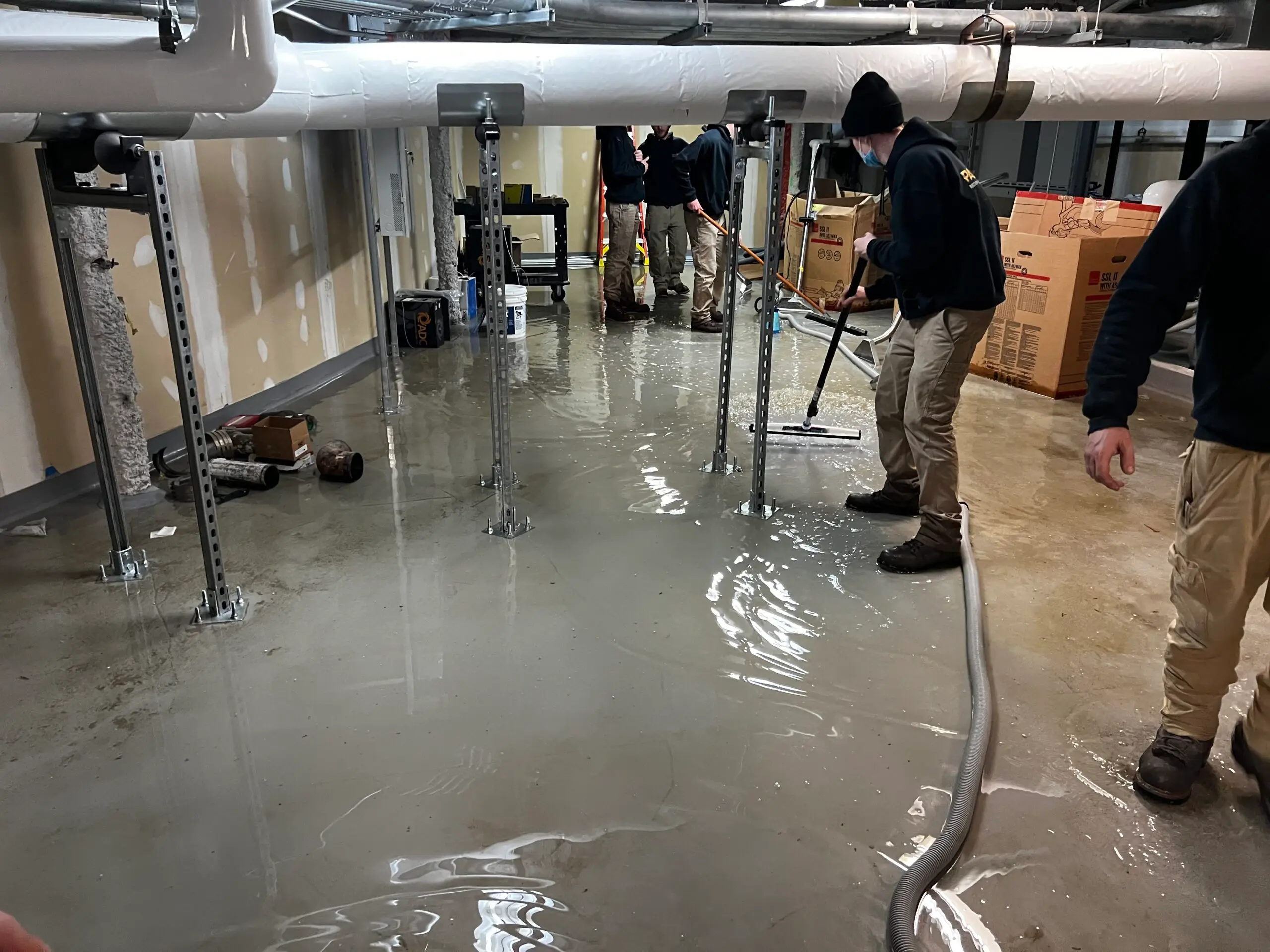
Does Homeowners Insurance Cover Water Damage? A Complete Guide
Water damage is the most common homeowners insurance claim in the United States, and Texas is no exception. But "water damage" is a broad term, and the reality is that your homeowners insurance covers some types of water damage while explicitly excluding others. Understanding these distinctions before a disaster strikes can save you significant money and frustration.
At 2 Brothers Restoration, we work with insurance companies every day. We have seen claims approved and denied, and we know the patterns. This guide will help Fort Worth homeowners understand their coverage so they can make informed decisions about both their insurance policies and their response to water damage events.
Water Damage That Is Typically Covered
Standard homeowners insurance policies (HO-3 policies) generally cover water damage that is sudden and accidental. The key words are "sudden" and "accidental." If the water damage was not something you could have anticipated or prevented through normal maintenance, your policy will likely cover it.
Burst or Frozen Pipes
When a pipe bursts unexpectedly due to freezing temperatures, corrosion, or pressure changes, the resulting water damage is almost always covered. This includes damage to walls, floors, ceilings, furniture, and personal property. Fort Worth experiences occasional hard freezes, and burst pipe damage is one of the most common claims we handle.
Sudden Appliance Failures
If your washing machine supply line ruptures, your water heater tank bursts, or your dishwasher connection fails suddenly, the resulting water damage is typically covered. These are considered sudden and accidental events, provided the appliance was in normal working condition and the failure was not caused by neglect.
Accidental Overflow
A bathtub or sink that overflows accidentally (for example, a child left the faucet running) is generally covered. An accidental toilet overflow is also typically covered, though if sewage is involved, there may be limitations depending on your policy.
Storm Damage and Rain
Water damage caused by wind-driven rain entering through a storm-damaged roof or broken window is covered under most policies. If a severe storm damages your roof and rain water enters the home, your insurance should cover both the roof repair and the interior water damage.
Fire Suppression
If a fire department floods your home while fighting a fire, or if a fire sprinkler system activates, the resulting water damage is covered, even if it is more extensive than the fire damage itself.
Water Damage That Is Typically NOT Covered
Understanding the exclusions is just as important as knowing what is covered. These are the most common water damage scenarios that standard homeowners policies exclude.
Flooding from External Sources
This is the most significant exclusion and the one that catches the most homeowners off guard. Standard homeowners insurance does not cover flooding, which is defined as water that enters your home from outside at ground level. This includes river overflow, storm surge, flash flooding, and any rising water from a natural event. Flood coverage requires a separate policy through the National Flood Insurance Program (NFIP) or a private flood insurer.
If your home is in a designated flood zone, your mortgage lender likely requires flood insurance. But even homes outside flood zones can experience flooding, especially in the Fort Worth area where severe thunderstorms can produce rapid runoff.
Gradual or Long-Term Leaks
If a pipe has been leaking slowly for weeks or months and you did not address it, your insurance company will likely deny the claim. The reasoning is that this is a maintenance issue, not a sudden and accidental event. Signs of a gradual leak include water stains that have been present for some time, mold growth (which takes at least 48 hours to begin), and warped materials that indicate prolonged moisture exposure.
Neglected Maintenance
If water damage results from a failure to maintain your property, it will not be covered. Examples include a roof that leaked because you never replaced missing shingles, a foundation crack you knew about but never repaired, or plumbing connections you were aware were deteriorating.
Sewer and Drain Backups (Without a Rider)
Standard policies typically exclude sewer and drain backup damage. This is a critical gap because sewer backups are surprisingly common and cause extremely unpleasant and expensive damage. However, most insurance companies offer a sewer backup rider (also called an endorsement) that can be added to your policy for a relatively modest annual premium, usually between $40 and $100 per year. We strongly recommend adding this rider if you do not already have it.
Mold (With Limitations)
Many Texas homeowners policies include limited mold coverage, often capped at $10,000 to $25,000. This may sound like a lot, but professional mold remediation for a significant growth can easily exceed these limits. If mold results from a covered water damage event and you responded promptly, the mold portion of the claim is usually honored up to the policy cap.
The Gray Areas
Many water damage claims fall into gray areas where coverage depends on the specific circumstances and your policy language.
Hidden Leaks
A pipe leak inside a wall that you genuinely could not have known about is different from a leak under a sink that you could have seen. Hidden leaks that cause sudden and unexpected damage when discovered are often covered. But if the insurance adjuster finds evidence that the leak had been ongoing for an extended period, the claim may be denied or reduced.
Foundation Leaks
Slab leaks in Fort Worth are common due to the area's expansive clay soils that shift and stress underground plumbing. Whether a slab leak is covered depends on the cause. If a pipe under the slab suddenly burst, the water damage to your home's interior is generally covered (though the repair to the pipe itself may not be). If the pipe leaked slowly over time, coverage is less certain.
Water Heater Failures
A water heater that suddenly bursts is covered. A water heater that has been seeping from the drain valve for months and finally causes damage is more likely to be denied.
How to Maximize Your Coverage
Based on our experience working with dozens of insurance carriers in the Fort Worth area, here are our recommendations for maximizing your water damage coverage:
- Act immediately: Your duty under the policy is to mitigate damage. Calling a professional water extraction team immediately demonstrates that you are fulfilling this obligation and not allowing damage to worsen.
- Document everything: Photograph and video the damage before any cleanup begins. Document the source of the water if visible. Save damaged materials until the adjuster has seen them.
- Add sewer backup coverage: For $40 to $100 per year, this rider covers one of the most common exclusions. It is one of the best values in homeowners insurance.
- Consider flood insurance: Even if you are not in a designated flood zone, a flood policy provides peace of mind during severe storms. Premiums for low-risk areas are often very affordable.
- Maintain your property: Regular plumbing inspections, appliance hose replacements, and roof maintenance protect both your home and your insurance coverage. Many claims are denied because the insurer determined the damage was preventable through basic maintenance.
- Review your policy annually: Coverage limits, deductibles, and exclusions can change at renewal. Make sure your policy still meets your needs.
How 2 Brothers Restoration Works With Your Insurance
We understand that navigating insurance claims can be stressful, especially when you are already dealing with property damage. Our team works directly with your insurance company throughout the restoration process. We provide detailed documentation, use industry-standard Xactimate pricing software for estimates, and communicate directly with adjusters to ensure the scope of work reflects the actual damage.
We do not make coverage decisions, but we do advocate for thorough, accurate claims that reflect the true cost of restoring your home properly. If you are unsure whether your water damage is covered, call us. We can assess the situation and help you understand your options before you file a claim.
Get Priority Response
Step 1 of 3Have an Emergency?
Do not let water damage sit. We are available 24/7 to take your call.
(817) 607-3264