
Navigating the Insurance Adjuster Process After Water Damage
Navigating the Insurance Adjuster Process After Water Damage
After you file a water damage insurance claim, the next critical step is the adjuster visit. The insurance adjuster is the person who inspects the damage, determines the cause, estimates the repair costs, and ultimately influences how much your insurance company will pay. Understanding their role, preparing for their visit, and knowing your rights can make a significant difference in the outcome of your claim.
At 2 Brothers Restoration, we work alongside insurance adjusters on nearly every project. We have a deep understanding of how the adjuster process works, what adjusters look for, and how homeowners can present their claims most effectively. Here is everything Fort Worth homeowners need to know about navigating this process.
What Is an Insurance Adjuster?
An insurance adjuster is a claims professional who investigates insurance claims to determine the extent of the insurance company's liability. There are several types of adjusters you may encounter during a water damage claim:
Staff Adjusters
These are employees of your insurance company. They are salaried workers who handle claims on behalf of the insurer. Staff adjusters are generally experienced and follow their company's specific guidelines and procedures.
Independent Adjusters
During busy periods, such as after a major storm in the Fort Worth area, insurance companies often contract with independent adjusting firms to handle the volume of claims. Independent adjusters work for the insurance company but are not direct employees. Their experience levels can vary widely.
Public Adjusters
Unlike the adjusters above, public adjusters work for you, the policyholder. You hire and pay a public adjuster (typically a percentage of the settlement, usually 10 to 15 percent) to represent your interests and negotiate with the insurance company on your behalf. Public adjusters can be valuable for large or complex claims, but they are not necessary for every situation.
What the Adjuster Does During Their Visit
When the adjuster arrives at your property, they will conduct a thorough inspection that typically includes:
Cause Investigation
The adjuster needs to determine what caused the water damage and whether it is a covered event under your policy. They will examine the source of the water, look for evidence of the timeline (when the damage started), and assess whether maintenance or neglect played a role. For example, they will check whether a burst pipe shows signs of sudden failure versus long-term corrosion, or whether a roof leak resulted from recent storm damage versus deferred maintenance.
Damage Documentation
The adjuster will photograph and note all visible damage. They will measure affected areas, document the types of materials involved, and record the extent of damage to the structure and contents. This documentation forms the basis of their estimate.
Scope of Work Assessment
Based on their inspection, the adjuster determines what work is needed to restore the property to its pre-loss condition. This includes extraction, drying, demolition, cleaning, reconstruction, and content restoration or replacement. The adjuster enters this scope into Xactimate estimating software, which calculates costs based on standardized pricing for the Fort Worth market.
How to Prepare for the Adjuster Visit
Your preparation for the adjuster visit can significantly impact your claim outcome. Here is what we recommend based on our experience with hundreds of Fort Worth water damage claims:
Have Your Documentation Ready
Compile all photographs, video, and notes you took when the damage was first discovered. If your restoration company has already begun work, have their initial moisture readings, thermal images, and progress documentation available. The more evidence you can provide, the stronger your claim.
Have Your Restoration Company Present
This is one of the most important steps you can take. When our 2 Brothers Restoration technician meets with the adjuster on site, they can:
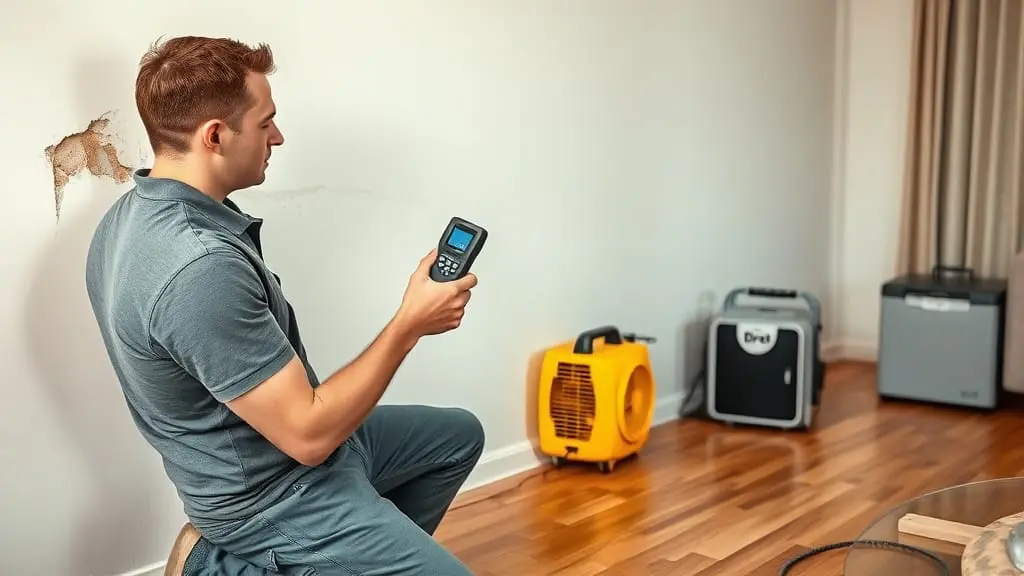
- Walk the adjuster through the full extent of damage, including areas detected by moisture meters and thermal imaging that may not be visible to the naked eye
- Explain the technical reasons for specific restoration procedures
- Discuss the scope of work in industry-standard terminology that the adjuster understands
- Provide professional moisture readings and documentation that support the claim
- Address questions about equipment needs, drying timelines, and material replacement
Without a restoration professional present, the adjuster may underestimate the scope of damage, especially hidden moisture that requires specialized detection equipment to find.
Create a Complete Inventory of Damaged Contents
Walk through the property with the adjuster and point out every damaged item. Provide your written inventory of damaged personal property including descriptions, ages, and estimated replacement costs. Do not assume the adjuster will notice everything on their own.
Do Not Make Permanent Repairs Before the Visit
While you should take reasonable steps to prevent further damage (your duty to mitigate), do not make permanent repairs or throw away damaged materials before the adjuster has inspected them. Emergency mitigation like water extraction and drying should proceed immediately, but reconstruction should wait until the adjuster has completed their assessment.
Understanding the Adjuster's Estimate
After their visit, the adjuster will produce an estimate using Xactimate. This estimate is a detailed, line-by-line breakdown of every task, material, and piece of equipment included in the scope of work. It is important to understand several things about this estimate:
It Is a Starting Point, Not a Final Offer
The adjuster's initial estimate is based on what they observed and determined during their visit. It is negotiable. If your restoration company's scope of work differs from the adjuster's estimate, the two parties can negotiate to reach agreement. Common areas of disagreement include the extent of affected area, the need for specific drying techniques, and the scope of demolition and reconstruction.
Line Items to Review Carefully
- Affected area measurements: Compare the adjuster's square footage to your restoration company's moisture mapping. Adjusters sometimes undercount affected areas, especially when moisture has wicked into adjacent rooms or up walls beyond the visible waterline.
- Equipment charges: Verify that the estimate includes enough drying equipment for the calculated number of days. Industry standards (specifically, the IICRC S500 standard) provide guidelines for the ratio of air movers and dehumidifiers per square foot of affected area.
- Material quality: The estimate should reflect replacement with like-kind-and-quality materials. If your home had solid hardwood flooring, the estimate should not specify laminate as a replacement.
- Overhead and profit: For larger jobs that require subcontractors, the estimate should include general contractor overhead and profit. This is standard industry practice and is supported by Xactimate pricing guidelines.
What to Do If You Disagree With the Estimate
If the adjuster's estimate does not cover the actual cost of proper water damage restoration, you have several options:
Supplement the Claim
The most common approach is filing a supplement. Your restoration company submits a revised Xactimate estimate with detailed line items and documentation supporting the additional scope of work. Our team at 2 Brothers Restoration handles supplement submissions regularly and communicates directly with adjusters to resolve discrepancies.
Request a Re-Inspection
You can request that the insurance company send a senior or more experienced adjuster to re-inspect the property. This is especially useful if you believe the original adjuster missed significant damage or does not have adequate experience with water damage claims.
Hire a Public Adjuster
For large claims or significant disagreements, a public adjuster can advocate on your behalf. They review the insurance company's estimate, identify shortcomings, and negotiate for a fair settlement. While their fee reduces your net payout, they often recover significantly more than what was initially offered.
Invoke the Appraisal Clause
Most homeowners policies include an appraisal clause that allows either party to request an independent appraisal when there is a dispute over the amount of loss. Each side selects an appraiser, and the two appraisers select an umpire. If the appraisers cannot agree, the umpire makes the final decision. This process is less expensive and faster than litigation.
Common Adjuster Red Flags to Watch For
While most adjusters are fair professionals, be alert for these concerning practices:
- Rushing the inspection: A thorough water damage inspection takes time. If the adjuster spends less than 30 minutes on a multi-room loss, they may not be capturing the full scope.
- Denying coverage without investigation: If the adjuster denies your claim immediately without a thorough inspection, request the denial in writing with specific policy language cited.
- Ignoring hidden damage: If the adjuster only documents visible damage and dismisses your restoration company's moisture readings, insist that the moisture data be included in the claim file.
- Pressuring you to use a preferred vendor: You have the right to choose your own restoration company. While some adjusters may suggest a preferred vendor, you are under no obligation to use them.
- Offering a cash settlement before inspection: Some insurers may offer a quick cash settlement over the phone before sending an adjuster. These offers are almost always lower than the actual cost of restoration. Insist on a proper inspection.
Your Rights as a Policyholder in Texas
Texas law provides several protections for insurance policyholders:
- Insurance companies must acknowledge and begin investigating your claim within 15 days of filing
- They must accept or deny your claim within 15 business days after receiving all required documentation
- Payment must be made within five business days of claim approval
- You have the right to file a complaint with the Texas Department of Insurance if you believe your claim was handled unfairly
Navigating the insurance adjuster process does not have to be overwhelming. When you work with 2 Brothers Restoration, you have an experienced team in your corner that understands both the technical restoration work and the insurance claims process. We are here to ensure your Fort Worth home is restored properly and your claim is handled fairly. Call us any time for a free consultation.
Get Priority Response
Step 1 of 3Have an Emergency?
Do not let water damage sit. We are available 24/7 to take your call.
(817) 607-3264