
What to Do When Your House Floods: A Step-by-Step Emergency Guide
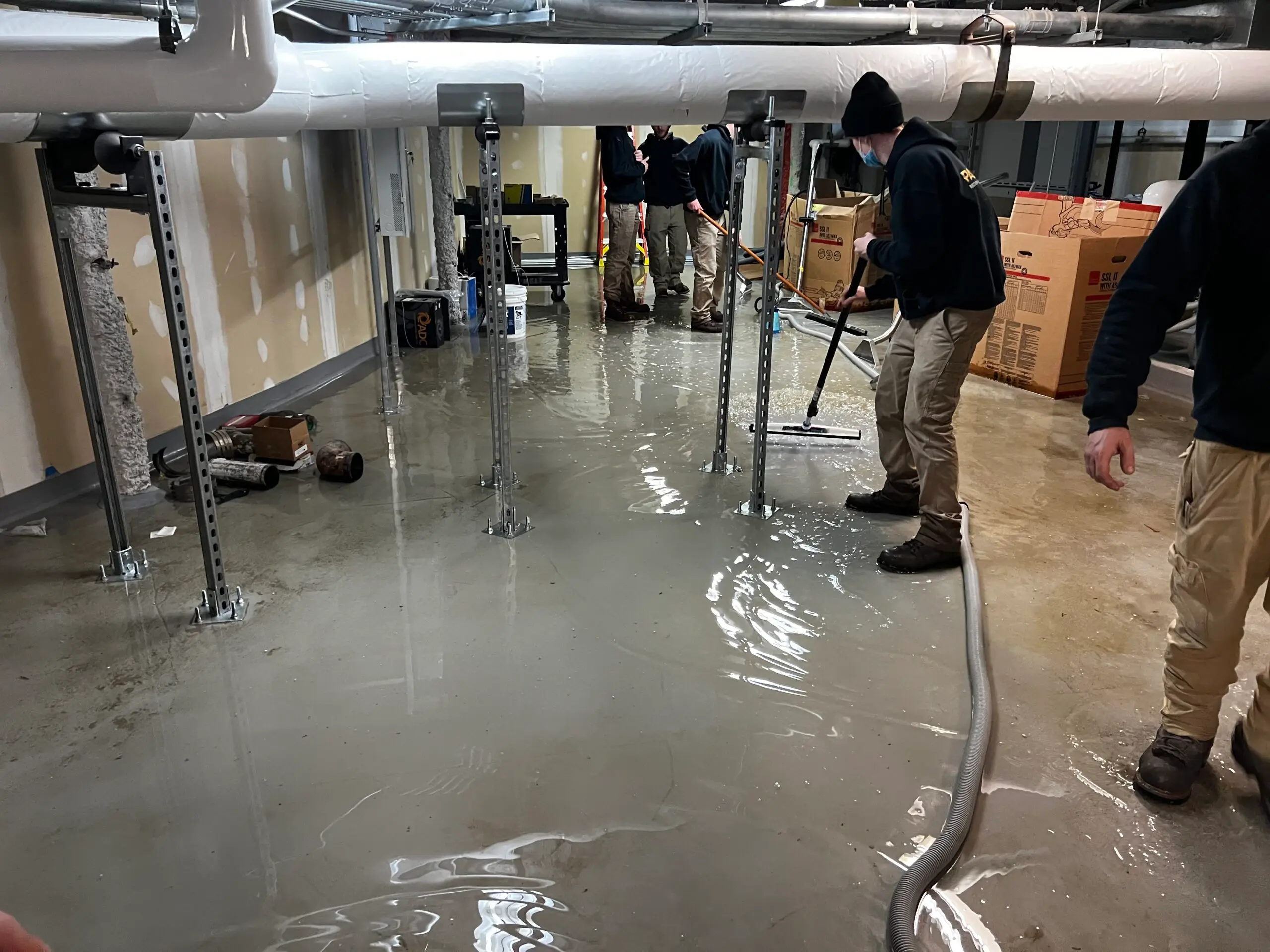
What to Do When Your House Floods: A Step-by-Step Emergency Guide
When floodwater starts pouring into your home, panic is a natural reaction. Whether the source is a catastrophic plumbing failure, a severe thunderstorm, or an overflowing creek, the first few minutes and hours after a flood determine whether you face a manageable cleanup or a devastating financial loss. As experienced water damage restoration professionals serving the Fort Worth area, we have seen firsthand how homeowners who follow a methodical emergency plan recover faster and spend far less on repairs.
This step-by-step guide walks you through exactly what to do from the moment you discover standing water in your home until the restoration process is complete. Bookmark this page so you have it ready when you need it most.
Step 1: Ensure Everyone's Safety First
Before you touch anything or try to save belongings, make sure every person and pet in the home is safe. Floodwater creates multiple hazards that are not always obvious. Electrical current can travel through standing water, creating a lethal shock risk. If water has reached any electrical outlets, appliances, or your breaker panel, do not wade into the water. Instead, evacuate everyone to a dry area and call your utility company to disconnect power remotely if you cannot safely reach the main breaker.
Contaminated water is another serious concern. If the flooding involves sewage backup or exterior floodwater, it may contain bacteria, parasites, and chemical contaminants. Keep children and pets away from the water entirely. Wear rubber boots and waterproof gloves if you must move through the affected area.
If the flood is caused by rising exterior water from a storm or nearby creek, monitor local emergency alerts. In some cases, evacuation may be necessary. Never try to drive through flooded roads, and never return to a flood-damaged home until local authorities confirm it is safe.
Step 2: Stop the Water Source If Possible
If the flooding is caused by a plumbing issue such as a burst pipe, your immediate priority is shutting off the water supply. Locate your main water shut-off valve, which is typically found in the garage, basement, or near the street-side meter. Turn it clockwise to close it completely. This single action can prevent hundreds or even thousands of additional gallons from entering your home.
For appliance-related floods such as a water heater failure or washing machine hose rupture, shut off the individual supply valves behind the appliance first. Then shut off the main valve as a precaution. If the flooding is weather-related, you cannot stop the source, but you can minimize entry points by placing sandbags or towels at door thresholds and ensuring sump pumps are operational.
Step 3: Shut Off Electricity and Gas
Water and electricity are a deadly combination. If you can safely reach your electrical panel without stepping through water, turn off the main breaker. If the panel is in a flooded area, do not attempt to reach it. Call your electric utility provider and request an emergency disconnect.
Similarly, if you smell gas or suspect that floodwater has affected gas lines or gas appliances, shut off the gas at the main valve and leave the house immediately. Call your gas provider from outside the home. Gas leaks combined with water damage create an explosion risk that requires professional handling.
Step 4: Document Everything Before Cleanup
Your insurance claim depends on thorough documentation. Before you remove a single item or mop up any water, take extensive photos and videos of the damage. Use your smartphone to capture the water level on walls (look for the waterline), the condition of flooring, furniture, electronics, and personal belongings. Open closets and cabinets to document damage inside them as well.
Walk through every room, including areas that may not look affected yet. Water travels through walls and under flooring, so rooms adjacent to the flood zone may already have hidden damage. Take wide-angle shots of each room and close-up shots of specific damaged items. This documentation will be invaluable when filing your insurance claim and working with your adjuster.
Step 5: Call a Professional Restoration Company
Time is your greatest enemy after a flood. Within the first 24 to 48 hours, mold can begin to colonize wet drywall, wood framing, and carpet padding. Structural materials begin to warp and swell. The longer water sits, the more extensive and expensive the damage becomes.
Call a professional water damage restoration company immediately. A reputable company will arrive within 30 to 60 minutes for emergency calls and begin the extraction process right away. Professional-grade truck-mounted extractors can remove thousands of gallons per hour, which is dramatically faster than anything you can accomplish with a shop vacuum or towels.
When choosing a restoration company, look for IICRC certification (Institute of Inspection, Cleaning and Restoration Certification), 24/7 availability, and direct insurance billing capabilities. These factors ensure you receive industry-standard service and a smoother claims process.
Step 6: Begin Salvaging What You Can
While waiting for the restoration team, you can begin moving salvageable items to a dry area. Prioritize irreplaceable items like family photos, important documents, and electronics. Place aluminum foil or wood blocks under the legs of furniture that cannot be moved to prevent staining on wet carpet.
Remove area rugs from wet floors and hang them to dry if possible. Open closet doors and dresser drawers to promote air circulation. If weather permits, open windows to increase ventilation. However, do not attempt to use your home's HVAC system if the ductwork has been flooded, as this can spread contaminants throughout the house.
Step 7: Work With Your Insurance Company
Contact your homeowners insurance provider as soon as possible to report the loss. Most policies require prompt notification, and delays can complicate your claim. Provide your insurer with the photos and videos you captured, and keep a detailed written log of all damage, conversations, and expenses.
A reputable restoration company will work directly with your insurance adjuster, providing detailed moisture readings, drying logs, and itemized estimates using industry-standard pricing software like Xactimate. This collaboration ensures that your claim is documented accurately and that you receive fair compensation for the damage.
Step 8: Understand the Restoration Timeline
Professional flood damage cleanup typically follows a structured process. Water extraction happens on day one. Industrial air movers and dehumidifiers are placed throughout the affected area to begin the structural drying phase, which usually takes three to five days depending on the severity. Technicians will monitor moisture levels daily with specialized meters to ensure the structure reaches acceptable dryness levels before any repairs begin.
Once the structure is fully dry, reconstruction can begin. This may include replacing drywall, flooring, baseboards, and cabinetry. In severe cases, reconstruction can take several weeks, but the drying phase must be completed properly first to prevent mold problems down the road.
What Not to Do During a House Flood
- Do not use a regular household vacuum to remove water. Standard vacuums are not designed for water and create a serious electrocution risk.
- Do not turn on ceiling fans or light fixtures in rooms with wet ceilings. Water may have entered the electrical boxes.
- Do not attempt to remove wet drywall yourself if you suspect mold is present. Disturbing mold colonies without proper containment can spread spores throughout your home.
- Do not place wet items in sealed plastic bags or containers. This traps moisture and accelerates mold growth on the items.
- Do not wait to see if the damage dries on its own. By the time you see visible mold or smell musty odors, the problem is already significant.
Prevention for the Future
After the immediate crisis is resolved, take steps to reduce the risk of future flooding. Install water leak detectors near appliances, water heaters, and in basements. Know the location of your main water shut-off valve and ensure every adult in the household can operate it. Consider a whole-home water shut-off system that automatically detects leaks and closes the valve.
Regular maintenance of your plumbing system, including inspecting supply lines, checking water pressure, and replacing old washing machine hoses, can prevent many of the most common causes of indoor flooding. For storm-related flooding, ensure your gutters are clear, downspouts direct water away from your foundation, and your sump pump is tested regularly.
If your home has flooded before, you already know the stress and expense involved. Taking preventive action now is far cheaper than dealing with the aftermath. And if disaster strikes again, knowing these steps will help you respond quickly, protect your family, and minimize the damage to your home.
Get Priority Response
Step 1 of 3Have an Emergency?
Do not let water damage sit. We are available 24/7 to take your call.
(817) 607-3264