
Fort Worth's Most Common Water Damage Causes by Season
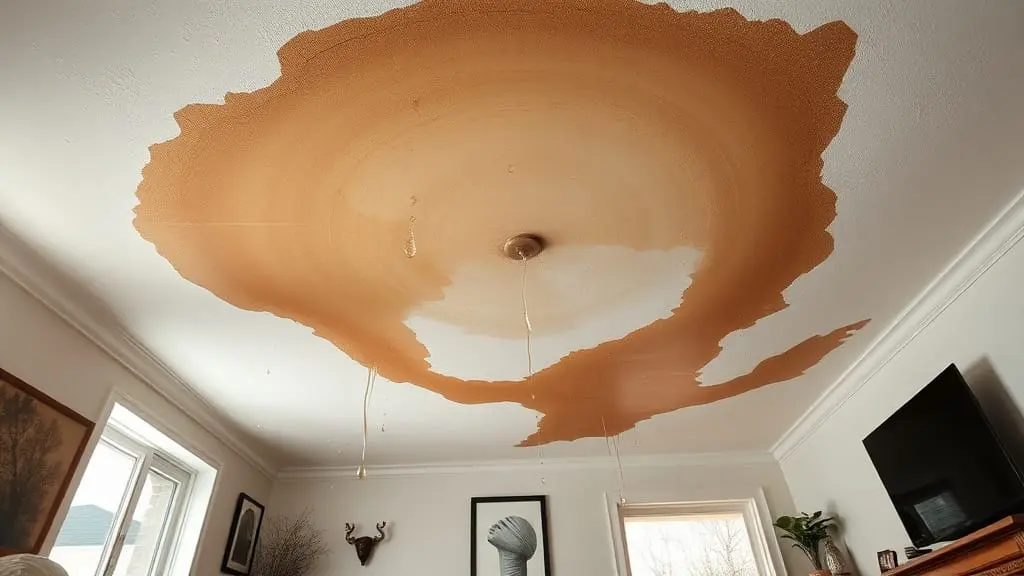
Water Damage Follows a Seasonal Pattern in Fort Worth
After years of providing water damage restoration services across the Fort Worth metroplex, the 2 Brothers Restoration team has identified clear seasonal patterns in the types of water damage we respond to. Understanding these patterns helps homeowners anticipate risks and take preventive action before damage occurs. Here is what we see throughout the year and what you can do to protect your property in each season.
Spring (March - May): Severe Storms and Flash Flooding
Spring is historically the wettest and most dangerous season for water damage in the Fort Worth area. North Texas sits at the convergence of warm, moist air from the Gulf of Mexico and cold fronts dropping down from the plains, creating the conditions for severe thunderstorms, hail, and tornadoes. Between March and May, Fort Worth typically receives more than a third of its annual rainfall.
Common Spring Damage Sources
- Roof damage from hailstorms: Large hail can crack shingles, dislodge flashing, and puncture flat roofing membranes. These breaches often go unnoticed until the next rain event, when water pours into the attic and migrates down through ceilings and walls.
- Flash flooding: Fort Worth's clay soil does not absorb water quickly. During heavy downpours, water pools around foundations, overwhelms drainage systems, and can enter homes through window wells, basement entries, and foundation cracks.
- Gutter and downspout overflow: Spring storms drop large volumes of water in short periods. If gutters are clogged with debris from winter, water overflows directly against the roofline and foundation.
- Sewer backups: Municipal storm drains and residential sewer systems can become overwhelmed during heavy spring rains. This can cause raw sewage to back up into homes through floor drains and toilets.
Spring Prevention Tips
Schedule a roof inspection after the first hailstorm of the season. Clean gutters and verify downspouts are directing water away from the foundation. Test your sump pump if you have one. Install backflow prevention valves on basement floor drains to prevent sewer backup. If your home is in a flood-prone area, keep sandbags or water barriers on hand.
Summer (June - August): HVAC Failures and Plumbing Stress
Fort Worth summers are brutally hot, with temperatures regularly exceeding 100 degrees. This heat puts extreme demands on your home's cooling system and plumbing, creating unique water damage risks.
Common Summer Damage Sources
- HVAC condensate line clogs: Your air conditioning system works overtime in summer, pulling gallons of moisture from the air each day. This condensate is supposed to drain through a dedicated line, but algae, mold, and mineral buildup can clog it. When the line backs up, water overflows from the drip pan, often into the attic or a mechanical closet, causing ceiling damage and mold growth.
- Water heater failures: The incoming water temperature during summer is warmer, which means your water heater works less hard. However, the heat in attics and garages where many water heaters are installed in North Texas accelerates tank corrosion. Summer is a common season for water heater ruptures.
- Sprinkler system leaks: Irrigation systems run heavily during summer drought. Underground line cracks and sprinkler head failures can go unnoticed because the water soaks into already dry soil. However, leaks near the foundation can saturate the soil unevenly and contribute to foundation movement and water intrusion.
- Appliance supply line failures: Refrigerator ice maker lines, dishwasher connections, and washing machine hoses are under pressure year-round. Summer's heat can accelerate the degradation of rubber hoses and plastic fittings, leading to sudden failures.
Summer Prevention Tips
Have your HVAC system serviced before the cooling season begins and ask the technician to clear the condensate drain. Check your water heater for signs of corrosion, especially if it is installed in a hot attic or garage. Inspect sprinkler systems monthly for leaks and broken heads. Replace any rubber supply lines on appliances with braided stainless steel.
Fall (September - November): Transitional Risks
Fall in Fort Worth is generally the driest season, but it carries transitional risks as the weather shifts from hot to cold. Many homeowners let their guard down during this period, which can lead to problems when the first freeze or heavy rain arrives.
Common Fall Damage Sources
- Leaf-clogged gutters: As North Texas trees drop their leaves in October and November, gutters fill up quickly. The first heavy rain after leaf fall can overwhelm clogged gutters and send water cascading down the side of the house and pooling at the foundation.
- Foundation cracks from summer drought: The extreme heat of summer causes the clay soil to shrink dramatically, pulling away from the foundation and creating gaps. When fall rains return, water fills these gaps and can enter the basement or crawl space through cracks that did not exist before summer.
- Forgotten outdoor plumbing: Garden hoses left connected, drip irrigation still active, and outdoor faucets left open become problems when the first unexpected freeze hits, sometimes as early as late October in North Texas.
Fall Prevention Tips
Clean gutters thoroughly after leaf fall is complete. Inspect your foundation for new cracks that developed during summer and seal them with appropriate materials. Disconnect all garden hoses and shut off exterior faucet valves. Have your heating system inspected before the first cold snap. If you notice foundation movement or new cracks in walls or floors, consult a foundation specialist.
Winter (December - February): Frozen Pipes and Ice Damage
Winter is the most unpredictable season for water damage in Fort Worth. While many winters are mild, periodic arctic fronts can send temperatures into the single digits, which is catastrophic for a region where many homes were not built to withstand prolonged freezing.
Common Winter Damage Sources
- Frozen and burst pipes: This is the number one cause of water damage during North Texas winters. Pipes in attics, exterior walls, and garages are particularly vulnerable. When water freezes inside a pipe, the expansion can burst the pipe, and the resulting flood when the ice thaws can be catastrophic. After the 2021 winter storm, we responded to more burst pipe emergencies in three weeks than we typically see in an entire year.
- Ice dam formation: While less common than in northern states, ice dams can form on Fort Worth roofs during extended freeze events, especially on homes with poor attic insulation. Ice dams trap melting water on the roof, which backs up under the shingles and leaks into the attic and walls.
- Power outage complications: Winter storms frequently knock out power in the Fort Worth area. Without heat, pipes freeze faster. Without sump pumps, basements flood. Without dehumidifiers, trapped moisture leads to mold. The combination of water damage and no power creates a compounding crisis.
Winter Prevention Tips
Winterize your plumbing before the first hard freeze. Insulate exposed pipes in the attic, garage, and crawl space. Keep your thermostat at 55 degrees or higher at all times, even when traveling. Open cabinet doors under sinks on exterior walls during freeze events. Let faucets drip during extreme cold. Know where your main water shut-off valve is and make sure it works. Consider a whole-house generator if you lose power frequently.
Year-Round Preparedness
Regardless of the season, some water damage prevention measures are always relevant. Maintain adequate homeowner's insurance with appropriate coverage limits. Keep an emergency contact list that includes your insurance agent, a trusted plumber, and a water damage restoration company. Save the 2 Brothers Restoration 24/7 emergency line, (817) 607-3264, in your phone so you can reach us instantly when the unexpected happens.
We provide complete water damage restoration, emergency water extraction, and storm damage repair services throughout the Fort Worth metroplex every day of the year. When water damage strikes, response time is everything, and we guarantee arrival within 1 hour of your call.
Get Priority Response
Step 1 of 3Have an Emergency?
Do not let water damage sit. We are available 24/7 to take your call.
(817) 607-3264