
Documenting Water Damage for Your Insurance Claim
Why Documentation Makes or Breaks Your Water Damage Claim
When water damage strikes your Fort Worth home, the chaos of the moment can make it easy to skip one of the most critical steps in the recovery process: documentation. Insurance companies process thousands of claims every year, and the ones that get paid quickly and fully are the ones with thorough, organized evidence. Whether you are dealing with a burst pipe, a flood, or storm damage, the documentation you gather in the first hours and days will determine how smoothly your claim goes.
At 2 Brothers Restoration, we work directly with insurance adjusters on behalf of our clients every single day. We have seen homeowners lose thousands of dollars simply because they did not capture the right evidence at the right time. This guide walks you through exactly what to document, how to document it, and common mistakes to avoid.
Step 1: Photograph and Video Everything Before Cleanup
The moment you discover water damage, your first instinct will be to start cleaning up. Resist that urge for just a few minutes and grab your phone. You need to capture the scene exactly as you found it before anything is moved, dried, or discarded.
What to Photograph
- The source of the water - Show the burst pipe, the leaking appliance, the roof breach, or wherever the water entered. If you can safely get close, take detailed shots that clearly show the failure point.
- Standing water levels - Place a ruler or common object (like a shoe) next to the water line on walls to show depth. This helps adjusters understand the severity.
- Every affected room - Walk through the entire house and photograph each room from multiple angles, even rooms that seem only slightly affected. Water travels along unexpected paths behind walls and under floors.
- Damaged belongings - Photograph furniture, electronics, clothing, documents, and personal items that were soaked or destroyed. Capture brand names and model numbers when visible.
- Structural damage - Warped floors, bubbling paint, sagging ceilings, stained drywall, and separated baseboards all need to be captured.
- Electrical panels and outlets - If water has reached any electrical components, photograph them before turning off power.
Video Walkthrough
In addition to photos, record a slow, narrated video walkthrough of every affected area. Describe what you see out loud as you film: "This is the master bathroom where the pipe burst. You can see water is about two inches deep on the floor and has spread into the hallway." This narrative context is incredibly valuable for adjusters who were not present at the scene.
Step 2: Create a Detailed Written Inventory
Photographs tell part of the story, but a written inventory ties everything together. Start a spreadsheet or list that includes the following for every damaged item:
- Item description and brand
- Approximate age and condition before the damage
- Original purchase price (or estimated replacement cost)
- Where the item was located when damaged
- Severity of damage (destroyed, repairable, cosmetic damage)
This inventory does not need to be perfect on day one. Start with the major items and add to it over the following days as you discover additional damage. Many homeowners find that damage continues to reveal itself as walls are opened and floors are pulled up during the restoration process.
Step 3: Preserve Receipts, Warranties, and Prior Documentation
If you have receipts for major purchases like appliances, flooring, or electronics, gather them now. Even old credit card statements showing purchase dates and amounts can help substantiate your claim. Extended warranties, home improvement records, and contractor invoices from past renovations are all useful because they establish the pre-loss value of your property.
If you do not have physical receipts, check your email for digital order confirmations. Online retailers often maintain purchase history that goes back years. Every dollar you can document with evidence is a dollar more likely to be reimbursed.
Step 4: Document the Timeline
Insurance adjusters want to understand exactly when the damage occurred and what actions you took. Keep a written log that includes:
- The date and time you discovered the damage
- What you believe caused the damage and when it started
- When you shut off the water supply
- When you called your insurance company (note the claim number and representative name)
- When the restoration company arrived and what they did
- Any emergency expenses you incurred (hotel stays, meals, temporary supplies)
This timeline protects you against any suggestion that you delayed action, which insurers sometimes use to reduce payouts. Demonstrating that you acted quickly and responsibly strengthens your claim considerably.
Step 5: Get Professional Moisture Readings
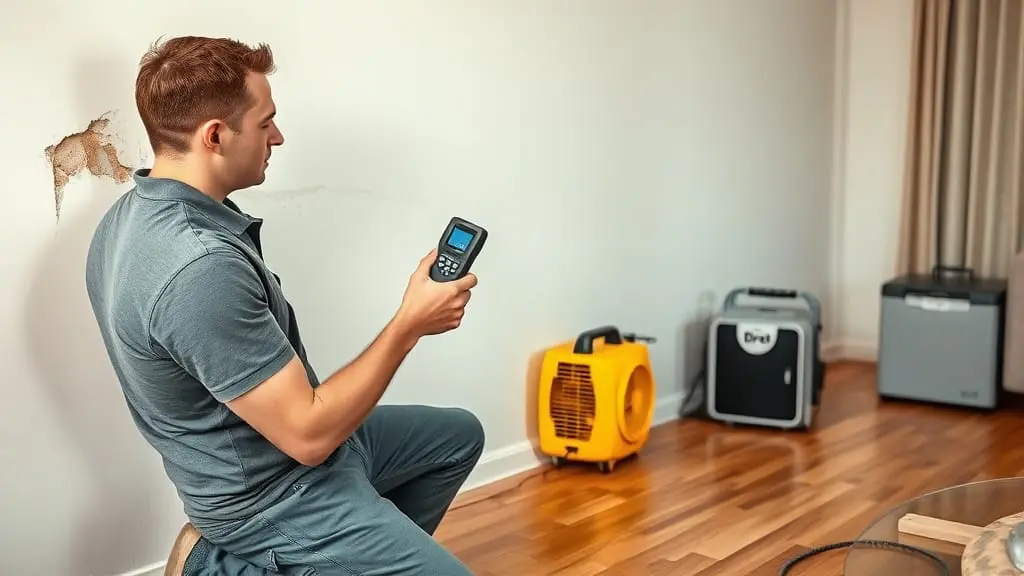
When a professional restoration company like 2 Brothers Restoration arrives, we take detailed moisture readings throughout the affected area using infrared cameras and penetrating moisture meters. These readings create an objective map of how far the water has traveled, often revealing damage hidden behind walls and under floors that is invisible to the naked eye.
Our emergency water extraction team documents these readings as part of every job. This professional documentation carries significant weight with insurance adjusters because it provides scientific, measurable evidence of the damage extent. Request copies of all moisture mapping reports for your records.
Step 6: Save All Communication with Your Insurance Company
From the moment you file your claim, keep records of every interaction with your insurance company. Save emails, take notes during phone calls (including the name of every person you speak with and the date and time), and keep copies of every document they send you. If there is ever a dispute about what was communicated or promised, your records will be your strongest defense.
Pay special attention to deadlines. Many policies require you to file a proof of loss within a specific number of days. Missing this deadline can jeopardize your entire claim.
Step 7: Do Not Throw Away Damaged Items Until Approved
After water damage, you will want to get ruined items out of your home as quickly as possible. However, your insurance company has the right to inspect damaged property before it is disposed of. Throwing things away prematurely can lead to disputes about the extent of the damage.
If items pose a health hazard, such as sewage-contaminated materials, photograph them thoroughly and then move them to your garage or driveway rather than the dumpster. Notify your adjuster that hazardous materials were removed for safety reasons and provide photo evidence of their condition.
Common Documentation Mistakes That Hurt Claims
Cleaning Up Too Quickly
Homeowners often mop up water and start drying before taking any photos. Once the evidence is gone, it is gone. Even a five-minute delay to take photos is worth it.
Only Photographing Obvious Damage
Water damage is often far more extensive than what is immediately visible. Make sure to document adjacent rooms, closets, and areas below the affected floor. A leak on the second floor can cause damage all the way to the first-floor ceiling.
Failing to Track Emergency Expenses
If you need to stay in a hotel, eat out because your kitchen is unusable, or purchase emergency supplies like fans and dehumidifiers, keep every receipt. Most homeowner policies include coverage for additional living expenses during displacement, but only if you can prove the costs.
Accepting the First Offer Without Review
Insurance adjusters work for the insurance company, not for you. Their initial estimate may not account for all the damage, especially hidden damage that has not yet been discovered. Have your restoration company review the adjuster's scope before you accept any settlement.
How 2 Brothers Restoration Helps with Your Claim
We understand that dealing with insurance after water damage is stressful and confusing. That is why we handle the documentation and insurance coordination as part of our water damage restoration service. Our team photographs every stage of the process, provides detailed moisture reports, and works directly with your adjuster to ensure nothing is overlooked.
We bill using Xactimate, the same software insurance companies use to generate their estimates. This means our invoices speak the same language as your adjuster, reducing friction and speeding up approvals. If you are dealing with water damage in the Fort Worth area, call us at (817) 607-3264 for immediate assistance with both restoration and insurance documentation.
Get Priority Response
Step 1 of 3Have an Emergency?
Do not let water damage sit. We are available 24/7 to take your call.
(817) 607-3264