
Water Damage in Azle, TX: What Eagle Mountain Lake Homeowners Need to Know
Azle's Unique Position — and Unique Risks
Azle, Texas sits at the point where Tarrant and Parker counties meet, roughly 15 miles northwest of Fort Worth. The city's most defining geographic feature is Eagle Mountain Lake, the 8,791-acre reservoir on the West Fork of the Trinity River that forms the eastern edge of the community. That proximity to the lake is one of the reasons Azle is such a desirable place to live — and one of the reasons it comes with water damage risks that inland homeowners rarely face.
Understanding those risks is the first step toward protecting your home. Whether you own a lakefront property, a pier-and-beam cottage in the older Pelican Bay neighborhood, or a newer slab-on-grade home on the Parker County side, the hydrology and soil conditions around Eagle Mountain Lake create challenges that are not adequately covered by standard home maintenance advice written for the rest of the country.
Lake Flooding: It Is Not Just About Shoreline Properties
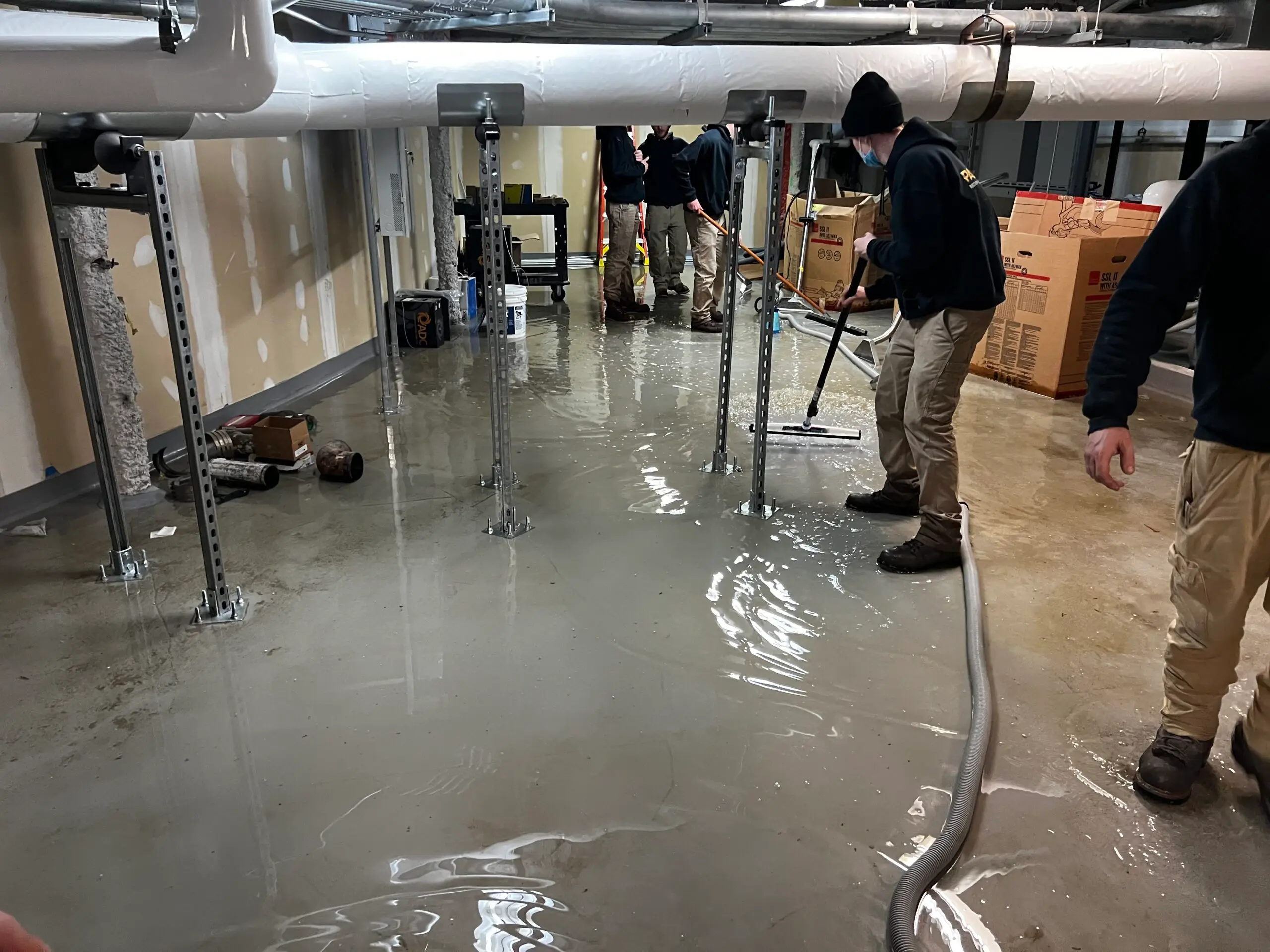
Most Azle homeowners know that a major rain event can cause the lake to rise. What fewer people realize is that rising lake levels and a saturated watershed affect properties that never touch the water directly. When heavy rainfall moves through the upper Trinity watershed, Eagle Mountain Lake rises — and simultaneously, the water table across the surrounding area rises with it. Homes within several hundred feet of the lake shoreline can experience groundwater intrusion through foundation walls, floor slabs, and crawl spaces even when no surface flooding occurs.
This type of subsurface intrusion is particularly insidious because it often goes undetected for weeks. Water appears at the bottom of a wall, in a crawl space, or beneath flooring with no obvious source. By the time it becomes visible, mold has frequently already established a foothold in the structure.
Pier-and-Beam Homes in Pelican Bay
The older sections of Pelican Bay and original lakefront Azle carry a significant stock of pier-and-beam homes built in the 1950s through 1970s. These homes have an inherent vulnerability that slab-on-grade construction does not: an accessible but potentially moisture-saturated crawl space. When the water table rises or heavy rain saturates the soil around the foundation, moisture enters the crawl space, wets the wood joists and subfloor from below, and creates an environment where mold, wood rot, and structural damage can accumulate over years without any obvious interior symptoms.
Older plumbing in these homes — galvanized drain lines and copper supply lines that have been in the ground for 50 or 60 years — adds a second layer of risk. Corrosion and ground movement create leaks that can saturate the soil under the crawl space from above and below simultaneously.
Expansive Clay Soil and Lateral Foundation Pressure
The clay soils common around Eagle Mountain Lake stay saturated far longer after a rain event than sandy or loam soils do. Saturated clay is also heavier, and it exerts significant lateral (horizontal) pressure against foundation walls and piers. Over time, this pressure contributes to foundation movement, wall cracks, and the gaps at floor and wall junctions where water can enter a home. After a prolonged dry spell followed by a major rain event — a pattern Fort Worth and Azle see regularly — the pressure swings are especially pronounced.
Cross Timbers Tree Roots and Sewer Lines
Azle sits in the Cross Timbers ecological region, characterized by mature post oaks, blackjack oaks, and elms. These trees have extensive, aggressive root systems that actively seek moisture — which means they actively seek your sewer lines. Older clay or cast-iron sewer pipes in established Azle neighborhoods are particularly susceptible to root infiltration, which can cause partial or complete blockages and sewage backups into the home. Sewage backup is a Category 3 water damage event — the most serious classification — requiring full professional remediation.
Winter Freeze Events: The Azle Pattern
Winter Storm Uri in February 2021 hit Azle especially hard. Older lakefront homes with plumbing routed through exterior walls or uninsulated attic spaces experienced catastrophic pipe bursts. The failure pattern in Azle and west Fort Worth was consistent: pipes froze in the early morning hours of the coldest night, burst silently, and then thawed into an uncontrolled flood when temperatures rose. Homeowners who had evacuated returned to find feet of standing water.
If your Azle home has any plumbing in exterior walls, an uninsulated attic, or a crawl space with inadequate skirting, that infrastructure is still at risk in any future significant freeze event. Pipe insulation and crawl space weatherization are straightforward investments that prevent catastrophic loss.
2 Brothers Restoration Serves Azle
2 Brothers Restoration has a local office at 404 W Main St in Azle, staffed and equipped for rapid response to water damage emergencies throughout the Azle, Pelican Bay, Reno, and Springtown areas. Our typical response time to Azle addresses is under 60 minutes. We handle the full scope of water damage restoration, from emergency water extraction through structural drying, mold prevention, and rebuilding — and we work directly with your homeowner's insurance to manage the claims process. Call us the moment you discover water damage in your Azle home. The faster we respond, the less damage your structure sustains.
Get Priority Response
Step 1 of 3Have an Emergency?
Do not let water damage sit. We are available 24/7 to take your call.
(817) 607-3264